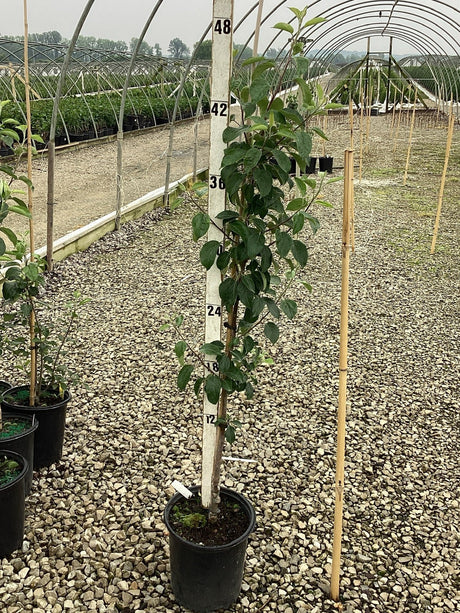
Nature Hills makes it easy to grow your own food. Every plant on this page is part of the edible garden, ready to ship to your zone as a live, container-grown transplant. From fruit trees and berry bushes to vegetable plants and culinary herbs, this is the full breadth of what you can grow and eat.
The "Edible" badge on each product is curated by hand. It means the plant produces fruit, vegetables, herbs, nuts, or another part traditionally grown and eaten in home and culinary gardens. If you see it here, it earns its place in a kitchen garden, raised bed, orchard, herb garden, or patio container.
The Three Pillars Of An Edible Garden
-
Vegetable Plants, live tomato, pepper, and other vegetable transplants ready to set fruit the same season you plant them.
-
Herb Plants, culinary herbs for cooking, tea, and pollinator-friendly borders, including basil, rosemary, thyme, mint, lavender, sage, and more.
-
Fruit Trees and Bushes, the long-term yield: peach, apple, plum, cherry, and other fruit trees, plus blueberry, blackberry, raspberry, and currant bushes, plus specialty edibles like figs and paw paws.
Choosing Edible Plants For Your Space
Match the plant to the space and the time you have. Container gardeners and renters do best with compact vegetables (determinate tomatoes, ornamental peppers), patio herbs in terracotta pots, and dwarf fruit trees grown in larger containers. Raised-bed and in-ground gardeners can take on staking indeterminate tomato vines, hedgerow berry plantings, and full-size fruit trees with a long-term horizon.
Think about how you cook and how long you are willing to wait. Vegetables and herbs reward you in weeks. Berry bushes typically begin producing in their second year. Fruit and nut trees often take 3 to 5 years to fully bear, but they continue producing for decades afterward.
Care Basics For Edible Plants
-
Sun: Most fruiting and vegetable plants need 6 to 8 hours of direct sun. Leafy herbs and some greens tolerate 4 to 6 hours.
-
Soil: Rich, well-drained soil amended with compost. Edibles are heavier feeders than ornamental shrubs and reward fertile beds with consistent yields.
-
Water: Deep, even watering. Mulch heavily to retain soil moisture and suppress weeds. Container plants dry out faster and may need daily water in summer heat.
-
Feed: A balanced fertilizer every 2 to 3 weeks during the growing season. Switch to higher-phosphorus or higher-potassium formulas when plants begin flowering or fruiting.
-
Right plant, right zone: Every plant page shows the USDA zone range it tolerates. Match it to your zone for the best success.
Why Buy Edible Plants From Nature Hills?
Family-owned and operated since 2001, Nature Hills brings the same plant care, packaging, and shipping standards to edible plants that we bring to every tree and shrub. Every plant is backed by our product guarantee and shipped to your zone at the right time for transplant success.
All edible plants are protected by Plant Sentry, our compliance system that ensures every plant we ship meets your state's agricultural regulations. That matters more for edibles than for ornamentals because many fruit and citrus crops are tightly regulated.