


-
Magnolia virginiana 'Moonglow'
Regular price From $8907Unit price /Unavailable -
-
-
-
-
-

Magnolia grandiflora 'Edith Bogue'
Regular price $12120Unit price /Unavailable -
-
-
Magnolia x loebneri 'Leonard Messel'
Sold outRegular price $9605Unit price /Unavailable -
-
Magnolia grandiflora 'Little Gem'
Sold outRegular price $12994Unit price /Unavailable -
-
-
-
Magnolia x 'Butterflies'
Sold outRegular price From $11650Unit price /Unavailable -
-
Magnolia stellata 'Royal Star'
Sold outRegular price $10090Unit price /Unavailable -
-

Magnolia grandiflora 'Kay Parris'
Sold outRegular price $9540Unit price /Unavailable -
-
-

Magnolia x 'Rose Marie'
Sold outNew arrivalRegular price $14999Unit price /Unavailable -
Magnolia x 'JURmag2'
Sold outNew arrivalRegular price $21499Unit price /Unavailable


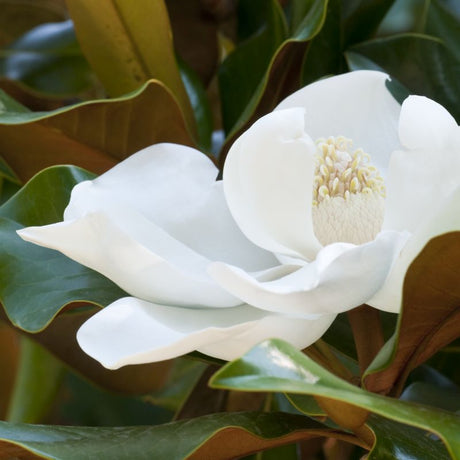


Magnolia Trees
Magnolia Trees for Sale: Buy 200+ Varieties Online at Nature Hills

Looking to buy a Magnolia tree online? You've come to the right place. Nature Hills Nursery offers America's largest selection of Magnolia trees for sale, with over 200 varieties for USDA Zones 4-10. Whether you need a cold-hardy Star Magnolia for northern gardens or a classic Southern Magnolia for warmer climates, we've got you covered.
Why choose Nature Hills for your Magnolia tree? Every tree is professionally grown, ships with our plant guarantee, and arrives ready to thrive in your landscape. Plus, enjoy free shipping on qualified orders delivered right to your door.
Magnolias have graced gardens for over 100 million years, making them one of nature's oldest flowering plants. Today's varieties offer stunning spring blooms in white, pink, purple, yellow, and red, with flowers featuring up to 18 tepals (fused petals and sepals) that emerge before the leaves for maximum impact.
Shop Magnolia Trees by Your Needs
Cold-Hardy Magnolias (Zones 4-6)
Northern gardeners can enjoy beautiful Magnolia blooms with these cold-hardy varieties that withstand harsh winters:
- Royal Star Magnolia - Early white blooms with strappy petals (Zone 4-8)
- Jane Magnolia - Purple-red flowers, blooms late to avoid frost (Zone 4-8)
- Ann Magnolia - Compact size with reddish-purple blooms (Zone 4-8)
These deciduous varieties are perfect for creating spring focal points in northern landscapes. They bloom reliably each year, even after cold winters, and grow 1-2 feet annually when young.
Evergreen Magnolias for Year-Round Beauty (Zones 7-10)

Southern Magnolia (Magnolia grandiflora) is the iconic evergreen shade tree celebrated as the state tree of Louisiana and Mississippi. These majestic trees provide:
- Year-round glossy green foliage
- Large, fragrant white flowers from May through September
- Impressive shade for lawns and landscapes
- Low-maintenance, drought-tolerant once established
Popular evergreen varieties:
- D.D. Blanchard Magnolia - Classic large shade tree (60-80 feet)
- Green Giant Magnolia - Fast-growing statement tree
- Little Gem Magnolia - Compact evergreen perfect for small yards (15-25 feet)
Dwarf Magnolia Trees for Small Gardens & Containers

Don't have room for a large tree? No problem. These compact Magnolia varieties thrive in small yards, courtyards, and even large containers:
- Betty Magnolia - Purple outside, white inside with purple reflex (8-15 feet)
- Genie Magnolia - Bold color in a petite package (10-15 feet)
- Kay Parris Magnolia - Columnar shape with white flowers, perfect for narrow spaces
These "Little Girl Series" varieties bloom later in spring, avoiding late frost damage. Grow them as single-trunk ornamental trees or as multi-stem flowering shrubs for privacy screening. Many gardeners choose these as memorial trees for their manageable size and reliable spring beauty.
When Do Magnolia Trees Bloom?
Bloom time varies by variety and climate:
- Early Spring (March-April): Star Magnolia, Royal Star Magnolia
- Mid-Spring (April-May): Saucer Magnolia, Little Girl Series (Ann, Jane, Betty)
- Late Spring-Summer (May-September): Southern Magnolia (evergreen types)
Most deciduous Magnolias bloom on bare branches before leaves emerge, creating an unforgettable spring spectacle. Their tulip-like flowers appear from fuzzy buds resembling Pussy Willows and are often fragrant. After blooming, distinctive orange seedpods develop, giving some varieties the nickname "cucumber tree" while providing food for local songbirds.
Where to Plant Magnolia Trees

Magnolias need full sun to partial shade and well-draining soil. Here's how to choose the perfect spot:
For large Southern Magnolias: Plant at least 20-50 feet from your house to accommodate their mature spread (40+ feet). These make stunning lawn specimens or border trees. Their strong root systems can handle grass competition, but mulching is preferred for healthier growth.
For smaller deciduous varieties: Use as focal points near patios, along property lines, or in mixed borders where you'll enjoy their spring show. Space trees 10-20 feet apart for hedging or 40+ feet for single specimens.
Companion plants that work well under Magnolias:
- Hostas for shade-loving foliage
- Ferns for texture and moisture retention
- Azaleas for complementary spring blooms
Container growing tip: Compact varieties like Little Gem, Kay Parris, and the Little Girl Series can be grown successfully in large containers (minimum 20-gallon pots). Use well-draining potting soil and water when the top 2-3 inches feel dry.
Magnolia Tree Care: Planting & Maintenance
Read our complete care guide on the #ProPlantTips blog for detailed instructions.
Planting your Magnolia:
- Plant container-grown trees anytime during the growing season; bareroot trees in spring
- Choose a sunny site (6+ hours for evergreens, 4-6 hours for deciduous) with well-draining soil
- Dig a hole as deep as the root ball but 2-3 times wider
- Water thoroughly after planting and apply 3 inches of arborist mulch (keep away from trunk)
- Water regularly for the first two years until established
Soil requirements: Magnolias prefer slightly acidic soil (pH 5.0-6.5) rich in organic matter. Amend heavy clay soils with compost for better drainage.
How to prune Magnolia trees: Minimal pruning is best. If needed, prune immediately after flowering (mid-summer to early fall for evergreens). Never prune in winter or early spring, as you'll remove flower buds and miss next year's blooms. Most varieties require minimal shaping when sited correctly with room to reach mature size.
Common Questions About Magnolia Trees
Are Magnolia trees deer resistant? Yes, deer typically avoid Magnolia trees due to their leathery leaves and aromatic bark.
How fast do Magnolia trees grow? Most varieties grow 1-2 feet per year when young, slowing as they mature. Southern Magnolia is considered a moderate to fast grower.
Do Magnolias have invasive roots? No, Magnolia roots are not invasive, but large varieties develop widespread root systems that need space (40-foot spread).
Why isn't my Magnolia blooming? Common causes include improper pruning, insufficient sunlight, or tree age (some varieties take 10-25 years to bloom reliably). Late frosts can also damage early blooming varieties.
What about Magnolia scale? This is the most serious pest affecting Magnolias. Look for white, waxy bumps on branches. Treat with horticultural oil during the crawler stage (late August-October) or use systemic insecticides. Contact us for specific treatment recommendations.
Why Buy Magnolia Trees from Nature Hills?
- Largest selection: 200+ Magnolia varieties, from rare cultivars to tried-and-true classics
- Quality guarantee: Every tree is professionally grown and inspected before shipping
- Expert support: Our horticulture team helps you choose the right variety for your zone and space
- Convenient delivery: Track your shipment right to your doorstep with free shipping on qualified orders
- Size options: Multiple container sizes available (1-gallon to 5-gallon+) for immediate impact
Order Your Magnolia Tree Today
Ready to add timeless beauty to your landscape? Whether you're looking for a statement evergreen, a spring-blooming focal point, or a compact variety for a small garden, Nature Hills has the perfect Magnolia tree for you. Shop our collection now and enjoy free shipping on qualified orders. Your Magnolia will arrive healthy, ready to plant, and backed by our guarantee. Don't wait to create the garden of your dreams!

