
-
Blue Chiffon® Rose of Sharon Tree Form
Hibiscus syriacus 'Notwoodthree'
25% offSale price $9291 Regular price $12388Unit price /Unavailable -
-
Lavender Chiffon® Rose of Sharon Tree
Hibiscus syriacus 'Notwoodone'
Regular price From $12388Unit price /Unavailable -
-

White Chiffon® Rose of Sharon Tree Form
Hibiscus syriacus 'Notwoodtwo'
Sold outRegular price $12388Unit price /Unavailable -
Hibiscus syriacus 'Minfren'
Sold outRegular price $5830Unit price /Unavailable -
-
Sugar Tip® Rose of Sharon Tree
Hibiscus syriacus 'America Irene Scott' PP20,579
Sold outRegular price $6693Unit price /Unavailable -


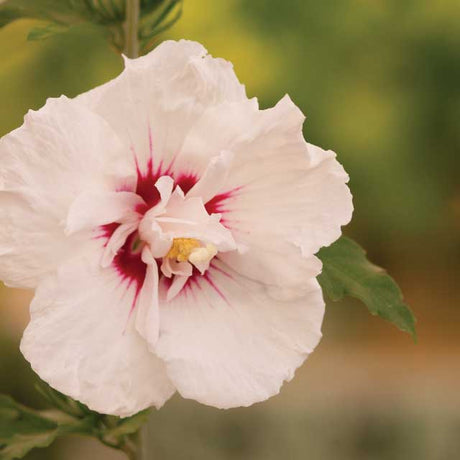
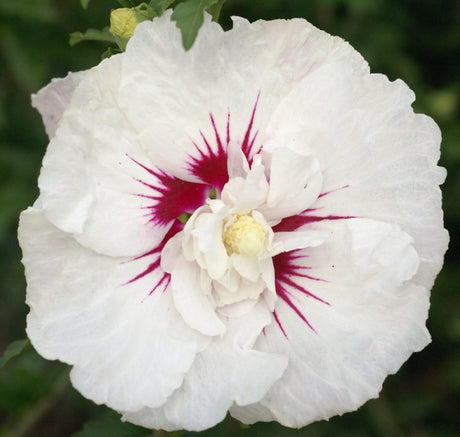
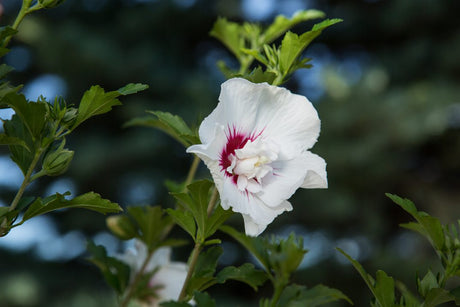
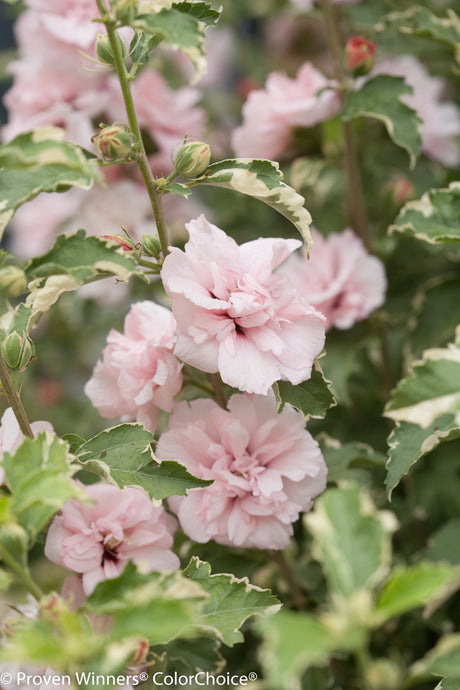
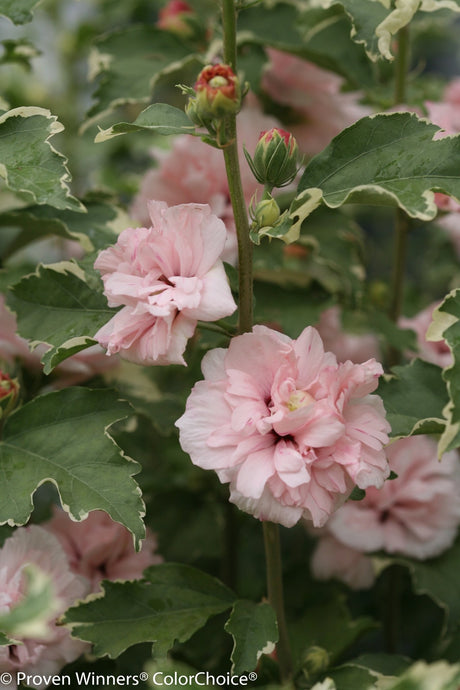
Rose of Sharon Trees
Rose of Sharon Trees At Nature Hills
These gorgeous members of the Hibiscus family are not traditional Roses. The name comes from a phrase in the Old Testament of the Bible, which has since been interpreted as referring to a Crocus or Lily.

No matter what you call it, though, a Rose of Sharon shrub looks just as sweet! Our plant specialists took these fantastic shrubs and made them even better!
Introducing the tree-form Rose of Sharon by grafting, or training and growing some of our favorite Rose of Sharon varieties on a single tall, straight trunk known as a 'standard'. Browse our inventory for Rose of Sharon tree selections that allow eye-level and taller versions of popular lavender, blue, pink, and two-toned and double-petalled satellite-like flowers.
How to Use Rose of Sharon Trees in Your Landscape
If you live in USDA planting zones 5 to 9, you've got lots of design options for flowering shrubs in tree form! Choose one Rose of Sharon flowering tree as a focal point and specimen planting, and underplant it with perennials or groundcover.
A single tree on the corner of your home or gracing the front entry of your home is sure to draw the eye! Especially since these trees flower nearly all summer long into the autumn!
These trees also work well in informal mulched groups or evenly spaced rows for formal garden décor. Or use a pair of Rose of Sharon Trees as sentries on either side of a pathway's entrance or marking the entrance to an outdoor garden room.
The upright shape stays slim and narrow, but remains high in impact all growing season long!
Even large planters and containers on your porch and patio, or even on a sunny balcony, a Rose of Sharon Tree will enhance your landscape big time!
Rose of Sharon Tree Care
Easy to grow and care for Rose of Sharon trees require a sunny spot where they will get at least six hours of direct sunlight every day. Plant yours in a well-drained enriched soil location with regular moisture access for new plants, but an established Rose of Sharon can be resistant to period drought.
All plants enjoy a 3-4 inch thick layer of mulch around their root systems. Prune these flowering deciduous plants each spring before blooms appear will keep the spherical canopy in lovely shape. They bloom on new wood so avoid pruning at other times of the year.
The Nature Hills Guarantee
We're committed to delivering the highest-quality trees, shrubs, and plants right to your door. Our first-year guarantee gives you peace of mind about ordering from us, and our blog offers lots of tips for planting and caring for your Rose of Sharon tree.
We maintain compliance with all federal, state, and local regulations for live plants through the Plant Sentry™ database. Whether you're buying your first houseplant or you're a seasoned gardener, you'll find a wide selection, great advice, and the best prices at Nature Hills Nursery!
Order Rose of Sharon Tree-Forms at Nature Hills today!
