Shop With Confidence: FREE Growing & Glowing Promise

Free Shipping on Orders $199+

What Fruit Trees to Plant for a June Harvest!

What Fruit Trees to Plant for a June Harvest! - Nature Hills Nursery

Charlotte Weidner |

June is that magical warm month, straddling chilly and unpredictable spring, and before the horrible heat kicks in of July’s dog days of summer. For gardeners throughout most of the United States summer is the start of the harvest season!

Juicy Homegrown Fruit

fruit in pies

NatureHills.com carries many fruit trees that ripen early in the season and in June! Go beyond raspberries, blackberries, strawberries, blueberries and vegetable garden fare. Here are a few trees, regardless of growing zone, that have a reliable early harvest to delight you and your family!

While many are not the best for keeping and long term storage, most June-ripening Apples are great for fresh eating, desserts and sauces.

Kick off your summer barbecues and healthy summer snacking to help you cool off in the summer heat with these juicy treats! Fruit has all the antioxidants, natural sugars, electrolytes and hydration to revitalize you after sweating in the sun.

What is the best fruit to grow in June?

Nature Hills Nursery ships fruit trees with mature root systems Here’s a list of fruit trees by category that generally ripen in the early summer month of June!

Apples

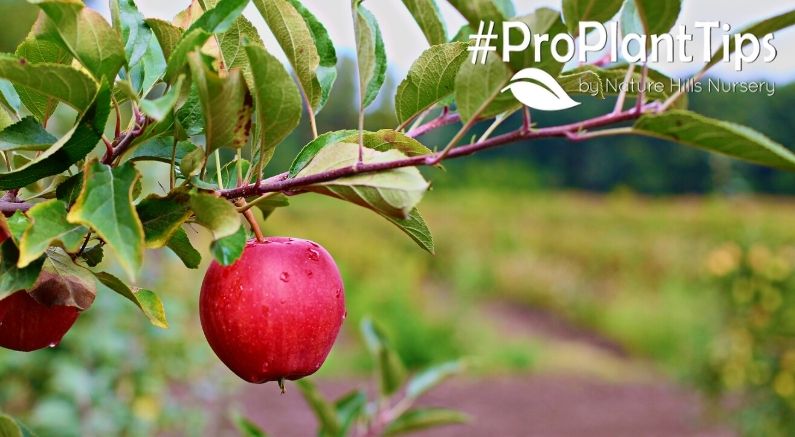
While Apples are often a late summer to fall harvest crop, these varieties are quick ripeners!

  • Anna
  • Dorsett Golden
  • Yellow Transparent
lat summer harvest

Apricots

One and two-bite-sized fuzzy orangy-yellow Apricot fruit are among the first to kick start the summer harvest months! Underrated and easy to grow, Apricot are wonderful ornamentals!

  • Chinese
  • Katy
  • Tropic Gold
  • White Knockout
Apricot

Aprium

The delightful pairing of an Apricot and Plum, the Aprium has both the traits of its parent trees sweetness and tartness.

  • Cot-N-Candy

Cherries

Many Cherry trees ripen in June. Earlier if you are in a warmer growing zone, with some California trees opening as early as April. Cooler climates may see fruit a bit later but by July.

  • Black Republican
  • Black Tartarian
  • Carmine Jewel
  • Early Richmond
  • Royal Crimson
Cherries

Figs

While most ripen late summer, many with two crops and an early spring, or are greenhouse grown, Fig trees will surprise you with fruit in June!

  • Black Mission
  • Brown Turkey
  • Osborne Prolific
  • Olympian
  • Peter's Honey
figs

Serviceberry Trees

All Serviceberry trees and shrubs are wonderful flowering, fruiting and fall color plants! Plus there’s a reason their other common name is the June Berry!

Guava

If you live in the warm climate that Guava Trees thrive in, these start summers off with unique tropical fruit.

  • Coolidge Pineapple
  • Ruby Supreme
  • Tropic Pink
  • White Asian - Year-round harvest
Guava

Nectarine

Nectarines are some of the best summer fruits, these fuzzless peaches are a barbecue and summer party, get-together favorite.

  • Arctic Babe
  • Mayfire
  • Snow Queen
  • Spring Bright
  • Sugar Pie Columnar
nectarine

Peaches

Big juicy sweet Peaches personify summer!

  • El Dorado Miniature
  • Florida Prince
  • Garnet Beauty
  • Ruby Prince Peach
  • Queencrest
  • Sentinel
  • Tropic Beauty
  • USDA Organic Desiree
peaches

Plums

Perfect summer snacking and healthy treats Refresh yourself from the heat with these sweet-tart Plum tree gems! Plums are very easy to grow and versatile!

  • Beauty
  • Bruce
  • Caramel Kiss
  • Chickasaw
  • Methley
  • Showtime
  • Flavorella Pluot
plums

Weather & Climate Variations

Keep in mind, the weather patterns, a late or early spring, summer temps barging in early and your growing zone will greatly alter when fruit trees flowers and fruit ripens! Harvest dates can vary depending upon where you are growing your plants. You can always check with your local County Agricultural Extension office for information on the best trees for your area!

There is a tremendous amount of variation in ripening dates between zone 4 and zone 9 which can and will greatly affect the harvest times depending upon where you are growing the plants. Plus the amount of sun available may have some impact on ripening too.

Food Sustainability

child picking fruit

Kickoff summer get-togethers, and healthy snacks for the kids on break from school with fresh fruit picked from your own backyard! Nothing is quite as wholesome as watching your family pick fresh homegrown food from your own tree in the backyard of your home landscape!

All of these lovely trees offer spring blooms, shade, sometimes fall color and all increase your property value while filling your pantry with fresh fruit, preserves, delicious baked goods and sauces for all your favorite recipes.

The edible landscaping craze is sweeping the nation! Secure your food access and sustainability, and increase your fresh food variety availability, regardless of the size you have with easy to grow fruit trees from Nature Hills! These double-duty trees are not just healthy food for your pantry but also ornamental flowering landscape trees that provide shade and curb appeal as well!

Don’t forget to pick up a suitable pollinator for your fruit tree if they need a pollination buddy! And check out high-density planting to save space!

What Fruit trees can you plant in June?

June is usually the first month of the year for most growing zones to start having hot summer weather. This can take a toll on trying to establish a young tree. But it can be done! Especially for those in cooler climates, if you are in a very hot growing zone, it might be best to wait until autumn and things cool off. But with careful watering and attention, you can have a very successful June tree planting regardless.

So that means go ahead and plant!

Planting trees and watering

Be sure to plant in a well watered location with ample organic and enriched soil. Avoid fertilizer at first, water will be your main focus these first few months. Saturate the planting area before and after planting your tree. Include Nature Hills Root Booster when planting and top the soil off with 3-4 inches of arborist bark chips covering the ground a couple feet from the trunk. This helps hold in moisture and keep things on an even keel. It also insulates new roots from summer heat and lowers evaporation.

Get Harvesting!

Achieve successful home orchards and enjoy summer harvests into high gear by including these early starters into your orchard to extend your harvest and sweeten your life with the help of NatureHills.com today!

Previous Next

Frequently Asked Questions

Which fruit trees reliably ripen in June across most growing zones?

Several fruit trees reliably produce a June harvest across most growing zones, including early-ripening apple varieties like Anna, Dorsett Golden, and Yellow Transparent, along with Apricots such as Chinese Katy and Tropic Gold, and popular Cherry varieties including Black Tartarian, Carmine Jewel, and Early Richmond. Serviceberry trees, sometimes called Juneberries, are another dependable choice, and Fig trees like Black Mission and Brown Turkey can also surprise gardeners with early fruit in June. For the best results, visit NatureHills.com to browse these early-ripening varieties and select the ones best suited to your specific growing zone.

Can you plant fruit trees in June and still get a harvest that same season?

Planting fruit trees in June can yield a harvest that same season, particularly if you choose early-ripening varieties like Anna or Dorsett Golden Apples, Apricots such as Tropic Gold, or Cherry varieties like Black Tartarian, which typically ripen in June and July depending on your growing zone. Nature Hills ships fruit trees with mature root systems, giving them a strong head start compared to bare-root planting. To maximize your chances of a same-season harvest, select varieties listed as early-ripening, plant promptly upon arrival, water consistently through the summer heat, and check the specific ripening window for your growing zone.

What are the best early-ripening fruit tree varieties for a June harvest?

Several fruit tree varieties reliably produce a June harvest across most growing zones. Early-ripening apple varieties like Anna, Dorsett Golden, and Yellow Transparent are excellent choices, while Apricot varieties such as Chinese Katy and Tropic Gold are among the first stone fruits to ripen each summer. Cherry trees including Black Tartarian, Carmine Jewel, and Royal Crimson also tend to peak in June, with warmer zones like California sometimes seeing fruit as early as April. Visit NatureHills.com to browse these early-season varieties and select the best options for your specific growing zone.

How much sun do fruit trees need to produce a full crop by early summer?

Most fruit trees require a minimum of 6 to 8 hours of direct sunlight daily to produce a full, high-quality crop, with 8 hours being the sweet spot for maximum fruit development and sugar content. Trees planted in partial shade will still grow but tend to produce smaller, less flavorful fruit that may ripen later in the season, pushing your June harvest into July or beyond. Choose a south or west-facing planting site with good air circulation and no large shade trees or structures blocking afternoon sun. Before planting, observe your yard throughout the day to confirm your chosen spot receives that critical 6 to 8 hour minimum, especially as the sun angle shifts from spring into early summer.

What soil conditions and drainage do June-bearing fruit trees grow best in?

Most June-bearing fruit trees, including apples, cherries, apricots, and figs, thrive in well-drained, loamy soil with a pH between 6.0 and 7.0. Poorly drained or waterlogged soil is one of the top killers of fruit trees, as standing water around roots promotes rot and disease. Before planting, amend heavy clay soils with compost or plant on a slight slope or raised bed to ensure excess water moves away from the root zone. Test your soil pH in early spring and adjust accordingly so your trees are set up for success well before June harvest time rolls around.

How far apart should I plant fruit trees to allow good airflow and healthy growth?

Proper spacing depends on the type and rootstock of your fruit tree, but most standard fruit trees need 15 to 20 feet between them, while semi-dwarf varieties do well at 10 to 15 feet apart, and dwarf trees can be planted as close as 8 to 10 feet. Good airflow between trees reduces fungal disease pressure and ensures sunlight penetrates the canopy for better fruit development and ripening. At Nature Hills, our fruit trees ship with well-established root systems, so planting at the correct spacing from the start gives them the best chance to thrive without future crowding. Check the specific spacing recommendations on each product page for your variety, and always err on the wider side if you are unsure.

How do I prune fruit trees to encourage earlier and heavier summer harvests?

Pruning timing and technique vary by fruit type, but for most fruit trees, the key is making your dormant-season cuts between late winter and early spring before bud break, typically February through March in Zones 5-8. Focus on removing crossing branches, water sprouts, and any growth crowding the canopy center, aiming to open the tree to light and air circulation since fruit development depends heavily on sunlight penetration. For June-ripening varieties like Anna Apple, Black Tartarian Cherry, or Apricot trees, a light summer pruning after harvest can redirect the tree's energy into next year's fruit buds rather than excessive vegetative growth. Start by removing no more than 25 percent of the canopy in a single season, make clean cuts just above an outward-facing bud, and always sanitize your pruning tools between trees to prevent disease spread.

How do I protect early-ripening fruit trees from pests and diseases before harvest?

Protecting early-ripening fruit trees like June-harvest cherries, apricots, and apples starts with a dormant oil spray applied in late winter before buds break, which smothers overwintering insects and fungal spores. Once the growing season begins, apply copper-based fungicide sprays during wet spring weather to guard against brown rot and leaf curl, which are especially damaging on stone fruits like apricots and cherries. Bird netting should go up as soon as fruit begins to color, typically 2 to 3 weeks before your expected harvest window. Visit NatureHills.com to find disease-resistant varieties suited to your growing zone, and always clean up fallen fruit promptly to break pest and disease cycles.

How long does it take a newly planted fruit tree to start bearing fruit in June?

The time it takes a newly planted fruit tree to bear fruit varies by species, but most will begin producing within 2 to 5 years of planting. Cherries and apricots often bear fruit sooner, sometimes within 2 to 3 years, while apples may take 3 to 5 years depending on the rootstock used. Nature Hills ships fruit trees with mature root systems, which gives them a head start over bare-root stock and can shorten the time to your first harvest. Choose a variety suited to your growing zone, plant in full sun with well-drained soil, and provide consistent watering and annual fertilization to encourage the fastest path to fruiting.

Can I grow June-harvest fruit trees in containers or small yards?

Yes, many June-ripening fruit trees like figs, cherries, and apricots adapt well to container growing or compact spaces, making them excellent choices for patios, small yards, and urban gardens. Dwarf and semi-dwarf varieties are especially well-suited, often topping out at 8 to 12 feet and producing full-sized fruit in a fraction of the footprint. In USDA zones 8 and warmer, container-grown figs and guavas can thrive on a sunny deck and be moved indoors during cold snaps. Visit naturehills.com to browse dwarf fruit tree options by zone and get started planting this season for a June harvest you can enjoy right outside your door.