


Japanese Snowbell
Styrax japonicus


Plant Sentry™ Protected
Your order is protected by our compliance system that:
- Prevents restricted plants from shipping to your state
- Ensures plants meet your state's agricultural requirements
- Protects gardens from invasive pests and diseases
Specifications
| Hardiness Zone | 5a to 9b |
|---|---|
| Sunlight | Full sun, Partial shade |
| Height | |
| Width | |
| Growth Rate | Moderate |
| Watering Needs | Moderate |
| Preferred Soil | Clay, Loamy, Sandy |
| Landscape Use | Woodland Garden, Slope Planting |
| Blooms In | Spring |
| Flower Color | White |
| Fragrant | Yes |
| Plant Characteristics | Cold hardy, Fragrant, Flowering, Thornless, Attracts pollinators, Fast-growing, Disease resistant |
| Botanical Name | |
| Does Not Ship To | AK, HI, ID, MT, PR, VI |
Description
Fragrant and Ornate Flowering Japanese Snowbell
- Fragrant, Snowy White Flowers
- Naturally Rounding Crown
- Long, Drooping Flower Clusters
- Attractive Winter Bark
- Oval, Dark Green Summer Foliage
- Large Growth Potential
- Virtually Pest and Disease Free
- Multiple Seasons of Interest
Bring the elegance and beauty of Asian flora home to your yard with the addition of a Japanese Snowbell (Styrax Japonicus) tree. This amazing tree grows well in most of the United States, making it a great addition to any grower's yard.
The Japanese Snowbell is a popular purchase due to its abundant white flowers. These snow-white, five petaled blossoms grow in clusters of dozens across its horizontal branches.
Depending on the weather, this flowering tree can show signs of new flowers as soon as early spring but typically starts to bloom between late spring and early summer. As the summer passes, these bell shaped flowers give way to an olive green decorative fruit known as drupes.
This tree's branches can spread over a wide distance, typically spreading as wide across as it is tall. The weight of these thin branches paired with its dense flowers and foliage results in a naturally rounded, drooping appearance.
As the tree ages, its bark starts to exfoliate and reveal mottled orange streaks beneath the gray outer surface. This feature becomes prominent during the winter, contributing a splash of vivid color during an otherwise monochrome time of year.
Interesting grayish colored fruits develop and ripen later in summer and are showy late into the fall. The fruits are a great snack for local wildlife!
The Japanese Snowbell reaches its peak beauty as summer starts. With its glossy green foliage soaking up the sun and opalescent flowers at full bloom it's impossible not to appreciate the beauty this tree displays at its best.
Be sure to grab one of these beauties while they're in stock. This garden marvel sells fast, so be sure to order before it's too late!
How to Use Japanese Snowbell in the Landscape
Due to its wide reach and attractive rounded growth, this tree can be given the same treatment as a sculpture or statue. You can easily make the Japanese Snowbell the center of attention by making it the focal point of your landscaping endeavors.
Proper placement of this tree next to a porch or patio could also make for a relaxation aid. The fragrant blooms and broad foliage make for a pleasant smell while chilling in the shade on a summer afternoon.
This tree is a perfect fit for woodland gardens! The white blooms make for an excellent accent against the dense green foliage of the surrounding forest, and the plant litter that builds on the forest floor will help to promote the growth of your Japanese Snowbell.
The abundance of snow white blooms also makes this a must-have for the cottage garden aesthetic. Grow as a border tree or garden centerpiece, either method will elevate your cottage garden to another level.
#ProPlantTips for Care
The Japanese Snowbell tree is adaptable to many different light levels. This tree can thrive anywhere between full sun and part shade, so it can be planted in the open or next to a home or shed.
This tree can be particular about its soil, preferring medium moisture, well drained soil rich in humus and organic matter. Be sure to check the soil's acidity levels too, as this plant thrives in somewhat acidic conditions.
While this tree contains itself in a healthy, rounded manner on its own, it does need pruning from time to time. It's best to wait until after flowering to prune so as to not disturb the flower power.
It's always a good idea to add a layer of mulch at the base of your tree. This will help hold moisture and protect from both the heat in the summer and cold temperatures in the winter.
With proper care and thoughtful placement, this gorgeous tree is sure to be the talk of the neighborhood for years to come. Order your own Japanese Snowbell from our expert growers at Nature Hills today!
Delivery and Shipping
Shipping Rates
Ships in 3-5 business days • Tracking provided • Weather protected
| Under $50 | $9.99 |
| $50 - $99.99 | $14.99 |
| $100 - $149.99 | $16.99 |
| $150 - $198.99 | $24.99 |
| $199+ | FREE |
✓ Zone-specific timing • ✓ Professional packaging • ✓ Health guarantee
Find on Page
Type to search specs, description, care, FAQ, and shipping.

When I received this plant it was getting ready to bloom it was absolutely gorgeous.
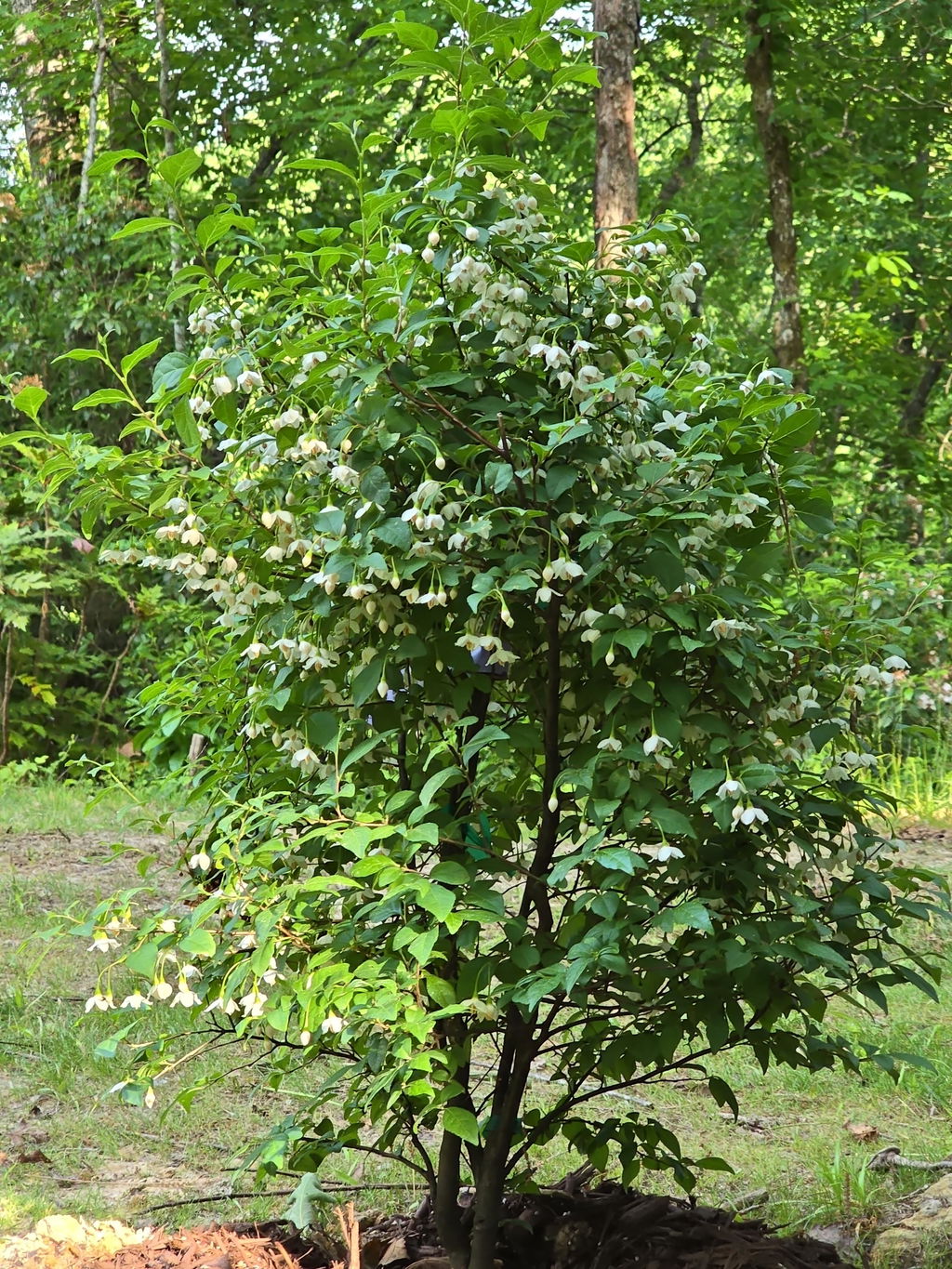
Getting a Japanese Snowbell right at the edge of bloom is perfect timing. Those nodding white flowers are one of the quieter highlights of early summer, and it sounds like yours put on a real show right from the start. Enjoy watching it settle in, Jeff. It will reward you more each year as it matures.
This was a gift & I have not seen it yet. But reports are that it is growing well! Thank you for the follow-up & for the guarantee option. Hopefully it will continue to thrive!
Second-hand reports of good growth are always a promising sign, and Japanese Snowbell is worth the anticipation. They tend to settle in steadily once established, so continued thriving is a reasonable expectation. Thanks for passing the kind words along, and we hope you get to see it in person soon!
