


-

Ozark Premier Japanese Plum Tree
Prunus salicina 'Ozark Premier'
Prunus salicina 'Ozark Premier'
Self-Fruitful Japanese Plum Tree Yields Burgundy-Purple Fruit Without a Pollinator Partner
Zones 5-9- Mature size: 10-20 ft tall, 10-20 ft wide
- Sun: Full sun
- Bloom: White blooms, late spring to early spring
Sale price $4637 Regular price $5455 15% offUnit price /UnavailableSale price $4637 Regular price $5455 15% offUnit price /Unavailable -

Prunus salicina 'AU Rosa'
Prunus salicina 'AU Rosa'
Auburn University's Heat-Loving Japanese Plum Ripens Early June with Disease-Resistant Performance
Zones 5-8- Mature size: 12-15 ft tall, 10-12 ft wide
- Sun: Full sun
Sale price $5350 Regular price $6294 15% offUnit price /UnavailableSale price $5350 Regular price $6294 15% offUnit price /Unavailable -

Prunus x 'Spring Satin'
Prunus x 'Spring Satin'
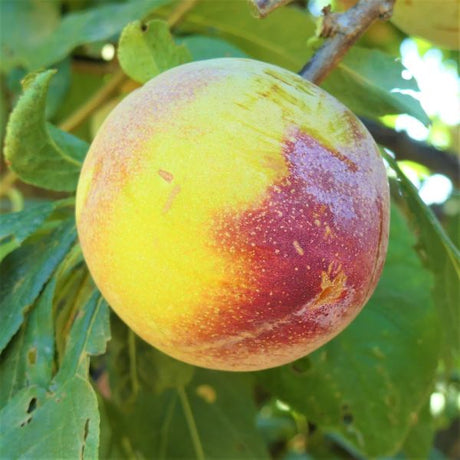
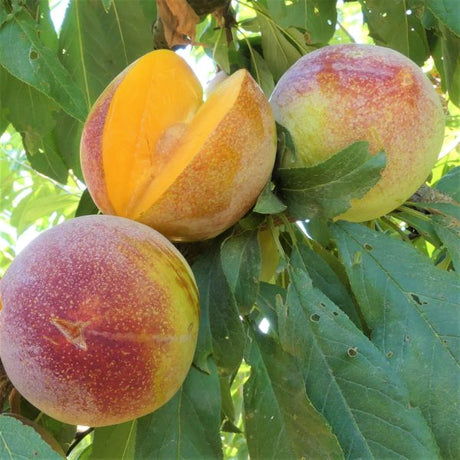
Rare Plum-Apricot Hybrid with Reddish-Black Skin and Golden-Red Flesh
Zones 5-8- Sun: Full sun
Sale price $7133 Regular price $8392 15% offUnit price /UnavailableSale price $7133 Regular price $8392 15% offUnit price /Unavailable -

Prunus x 'Alderman'
Prunus x 'Alderman'
Zones 5-8- Sun: Full sun
Sale price $7133 Regular price $8392 15% offUnit price /UnavailableSale price $7133 Regular price $8392 15% offUnit price /Unavailable -
Prunus 'Burbank'
Prunus 'Burbank'
Zones 5-9- Mature size: 12-18 ft tall, 12-20 ft wide
- Sun: Full sun
- Bloom: White blooms, late spring to late summer
Sale price From $9633 Regular price $11333 15% offUnit price /UnavailableSale price From $9633 Regular price $11333 15% offUnit price /Unavailable -
-
Sold out
Prunus angustifolia
Prunus angustifolia
Native Chickasaw Plum Produces Fragrant Spring Blooms and Edible Summer Fruit for Homemade Jelly
Zones 5-8- Mature size: 15-25 ft tall, 15-25 ft wide
- Sun: Full sun, Partial shade
- Bloom: White blooms, late spring
Regular price $8370Unit price /UnavailableNotify me when Chickasaw Plum is backRegular price $8370Unit price /Unavailable -
-
 Sold out
Prunus salicina 'All Red'
Prunus salicina 'All Red'
Zones 5-8- Mature size: 15-20 ft tall, 15-20 ft wide
- Sun: Full sun
Regular price $8392Unit price /UnavailableNotify me when All Red Japanese Plum is backRegular price $8392Unit price /Unavailable -
Sold out
Prunus 'Stanley'
Prunus 'Stanley'
Self-Fruitful Stanley Plum Produces Abundant Dark Blue Fruit Without a Pollinator Tree
Zones 5-8- Mature size: 15-20 ft tall, 8-12 ft wide
- Sun: Full sun
- Bloom: White blooms, early spring to late spring
Regular price $23067Unit price /UnavailableNotify me when Stanley Prune Plum Tree is backRegular price $23067Unit price /Unavailable -
-
Sold out
Prunus salicina 'Santa Rosa'
Prunus salicina 'Santa Rosa'
Self-Fertile Santa Rosa Plum Produces Juicy, Sweet Fruit Without a Pollinator Tree
Zones 5-8- Mature size: 15-25 ft tall, 12-20 ft wide
- Sun: Full sun
- Bloom: Pink and White blooms, late spring
Regular price $11936Unit price /UnavailableNotify me when Santa Rosa Plum Tree is backRegular price $11936Unit price /Unavailable -




Plum Trees
Shop Plum Trees at Nature Hills Nursery
Plums are native to China, North America, and Europe. Archeologists have discovered plum remains in sites of human settlements from thousands of years ago, alongside olives, grapes and figs. Those findings lead experts to believe that plum trees were one of the very first fruit trees domesticated by humans. Today there are more than 200 cultivars being grown all over the world.

Healthful Plum Fruit
Most of the plums consumed as fresh fruit and found in grocery stores are Japanese plums. European plums have higher sugar content, so they are often dried and used for making prunes. Plums are rich in dietary fiber that is effective in improving digestion. They are low in calories and contain ample amounts of vitamin C, calcium, potassium and carbohydrates. Plums are excellent when eaten fresh and are a great addition in salads. They are used for making pies, desserts, jams, and jellies. Plum trees are fast growing and usually begin producing fruit 3 to 5 years after planting.
European & Japanese Plum Tree Varieties
There are two main types of plum trees being marketed today: European and Japanese. Generally, Japanese plums are larger than European plums, and Japanese plums ripen earlier than their continental cousins. European plums are generally late bloomers, so they are well suited for areas with late frosts or cool springs. Plum trees may or may not need pollinators. Some are self-fruitful, and some need another plum tree for pollination purposes. Most European plums will either benefit from or require cross-pollination from another European variety. Many Japanese plums require pollinators. Follow nursery recommendations for suitable pollinizers, but here are some of our favorite selections:
- Italian Plum Tree - Pinkish-white spring blooms, freestone dark purple fruit with yellow flesh, often dried as prunes, sweet flavor with a lemon-tart edge
- Toka Plum Tree - Nicknamed the bubblegum tree for the candy-like fragrance and flavor of its fruit, produces tons of pollen that spark bountiful crops in neighboring plum trees
- Elephant Heart Japanese Plum Tree - Ripens later than most other varieties, requires another plum for cross-pollination, produces incredibly large, heart-shaped, clingstone fruit with blood-red flesh

New World Plum Varieties
If you’re looking for native plants to beautify your integrated ecosystem, the New World plum trees in our inventory are a great choice. The Native American Plum delivers abundant clusters of white flowers in spring, then handsome toothed leaves in the summer. Autumn brings out red fruit that you or your visiting wildlife can eat, though this plum tree is generally ornamental rather than a fruit-production choice. The Chickasaw Plum, on the other hand, self-pollinates to produce abundant fruit that many Native American tribes once relied on as a food source. Its white spring flowers, red summer fruit, yellow fall foliage and textured bark offer four seasons of visual interest.

