Shop With Confidence: FREE Growing & Glowing Promise

Free Shipping on Orders $199+

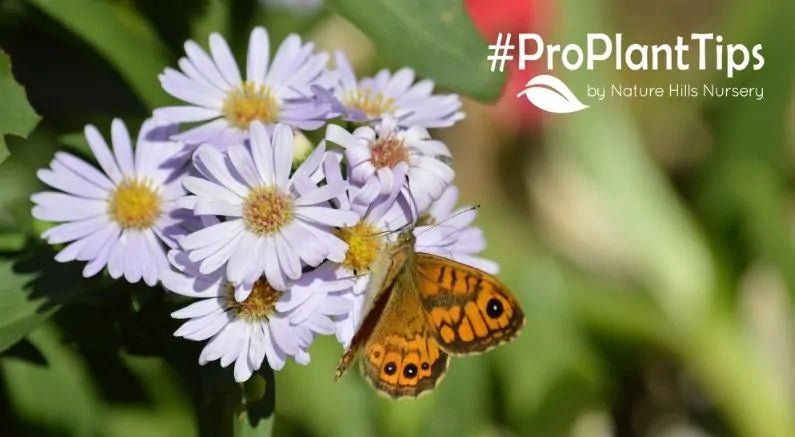
#ProPlantTips on Preparing a Feast for Your Pollinators!

#ProPlantTips on Preparing a Feast for Your Pollinators! - Nature Hills Nursery

Nature Hills Nursery |

With the alarming decline of beneficial pollinators, it is vitally important we support their needs as their native food sources dwindle!

There are many butterfly host plants and nectar resources for adult butterflies, but few folks realize that you also need to support the larvae too! So many plants are host plants to the young caterpillars and where adults prefer to lay their eggs.

Between the loss of habitat and higher use of pesticides and pollution in the environment, pickings have become slim for these winged lovelies! Caterpillars cannot travel, so bring the food to them!

While beautifying your own garden, it is easy to have dual-purpose trees and plants!

Preparing a Feast for your Pollinators

Set the Table for Monarch Butterflies

The Milkweed family attracts butterflies of all kinds and is well known because of the plight of the Monarch. Their black and orange tiger-stripes and their larvae are black, white and yellow striped with black antennae.

The blooms of Milkweed plants are food for adults while the leaves are larval hosts and shelter. Milkweed vine, a weed that most gardeners despise, surprisingly it’s also a Milkweed plant substitute as well!

Attract adult Monarchs by planting:

Monarch butterflies also love when you set out a plate of fruit such as sliced apples, grapes or oranges in a bowl of pebbles and water.

Viceroy Feast!

Very closely resembling the Monarch, Viceroy adults feed on your typical wildflowers for nectar, such as Milkweed and Thistles.

Oddly enough, the caterpillars resemble bird droppings! They prefer feeding on:

Roll Out the Red Carpet For Painted Ladies

The gorgeous little Painted Lady butterfly feasts on all kinds of plants ranging from perennials to trees to shrubs.

Painted Ladies enjoy:

The Painted Lady caterpillar’s host plants are mainly Thistles, but also Aster, Hollyhocks, Ironweed and most Mallows.

Flocks of Gulf Fritillaries

The skinny orange caterpillars with black spikes belong to Gulf Fritillary Butterfly. Adults are equally bright orange with thin, black striped, black-spotted wings.

Typically found feasting on Passionflower vines and Maypops as a youth, the adults love Wildflowers, Asters, Verbena and Zinnia.

Feeding the Tiger Swallowtail

Black Swallowtail, aka Tiger Swallowtails, are yellow and black striped beauties with a blue lower band and ‘tails’ on the lower wing. Their lime-green larvae with large false-eyes are typically found on Ash trees, but also Cherry and Willow, Birch and Tulip trees.

Attract adult Tiger Swallowtails with:

Related Zebra Swallowtail butterflies rely on the Paw Paw tree for their larvae to feed on.

Leagues of Eastern Swallowtail

Looking like the photo negative of the Tiger Swallowtail, Eastern are black, white with yellow and blue bands. These butterflies are attracted by:

The striped larvae love your herbs and vegetable gardens; Dill, Parsley, Fennel and Carrot tops, as well as flowers like Queen Anne’s Lace and Rue.

Similar in shape and form, the Spicebush Swallowtail larvae only eat the Spicebush! Their brilliant orange caterpillars are hard to miss!

Serving the Skippers!

Skippers are smaller, high-energy butterflies, typically see flitting around gardens in North America.

Adults prefer the usual, but also Marigolds, Petunias, herbs and vegetables. However, the larvae are found on tomatoes, cabbage, and broccoli. Clover is another favorite for the adults and a host plant for their larvae, so watch the herbicide and pesticides!

Skipper larvae look alien! Their blob-like bodies and unusual bulging brown heads kind of look like a...well, butt! With false eyespots, they are unforgettable!

Mourning Cloak Butterfly Smorgasbord

Mourning Cloaks are dramatically colored as adults. They like sliced bananas and strawberries and other fruit set out in dishes around the garden while their young feast on the leaves of Willow trees primarily, and also Elm and Birch trees.

Often seen clustered on branch tips in large groups, the larvae may look fierce, but become the most striking and earliest appearing butterflies of the season!

Question Mark Butterfly Buffet

Loving ‘puddling’ and bowls of fruit like the Monarch, Question Marks have unusual tastes as adults and lap up tree sap, rotting fruit and feces, and can even be found fluttering around carrion!

Their larvae have more conventional diets with the leaves of Elm trees, Japanese Hops, Stinging Nettles, False Nettles and Hackberry Trees.

Comma Butterfly Canteen

Similar to the Question Mark, the Comma butterfly, looks almost identical with slight changes in their splotches.

Their larvae eat Hackberry trees, Japanese Hops, False Nettles and Elm tree leaves. Even their larvae look alike!

Hungry Hungry Hairstreaks

In desperate decline, Hairstreak butterflies are super tiny! Their random flight and minute size hide their powdery blue-gray beauty.

Adults love Milkweeds, Dogbane, Flowering Dogwoods, Swamp Milkweed, Yarrow and many of the typical early spring blooms. While the young only eat the leaves of the mighty Oak trees!

All the Rest

These butterfly species listed here are the most common, but just the tip of the iceberg!

The Willow tree family plays host to a mind-boggling 450 plus species of Lepidopteran caterpillars! Dogwood trees too!

The large Viburnum family feeds over 100 types of larvae. Bush Honeysuckle, Chokecherry too are much-needed shrubs.

Include native flowering plants in your butterfly gardens like Mallow, False Blue Indigo, Turtlehead, Sunflowers and Prairie Clover. Even native Grasses like Little Bluestem, Switchgrass and Big Bluestem! Learn more about creating the perfect pollinator garden!

All the Milkweed varieties out there, Ironweed and Asters, but also tuck in a few Bee Balm, Catnip, Catmint, Coneflowers, Lavender, Valerian and Yarrow too!

Even your herb garden hosts many caterpillars, so plant that extra row of Parsley, Garlic Chives, Dill, Sage, Mints, Oregano, Tansy, Thyme and Fennel!

Check out our Bird, Butterfly & Pollinator Plants to browse these varieties and more!

Just leaving that patch of native plants, Clover, Violets, or other ‘weeds’ alone in an out-of-the-way area in your garden will benefit so many beneficial pollinators!
So get planting with your butterflies in mind and don’t forget to leave out shallow bowls of marbles filled with water and sliced fruit to give them the sugar boost they need! You and your environment will thank you!

Happy Gardening!

Previous Next

Frequently Asked Questions

What plants and flowers should I grow to attract the most butterflies to my garden?

To attract the widest variety of butterflies, focus on planting milkweeds, asters, butterfly bush shrubs, salvia, coneflowers, and verbena, which draw in species ranging from Monarchs to Painted Ladies. Including willow, poplar, or cottonwood trees adds habitat for Viceroy butterflies, while passionflower vines support Gulf Fritillaries. For the best results, layer your plantings to include nectar sources for adult butterflies alongside larval host plants like thistles, hollyhocks, and ironweed, since caterpillars cannot travel to find food on their own. Visit naturehills.com to browse our full selection of butterfly-attracting plants and build a garden that supports pollinators at every stage of their life cycle.

Do petunias attract butterflies, or should I choose other nectar plants instead?

Petunias offer some nectar for butterflies but are not among the top-performing butterfly attractors compared to plants like Salvia, Verbena, Coneflowers, and Asters, which are consistently favored by species including Monarchs, Painted Ladies, and Gulf Fritillaries. For the best results, focus your garden on these proven nectar sources and pair them with host plants that support caterpillars, such as Milkweed for Monarchs or Passionflower vines for Gulf Fritillaries. Plant a mix of these high-value species in a sunny location and you will attract far more butterfly activity than petunias alone can provide.

What should I plant to feed painted lady caterpillars in my pollinator garden?

Painted Lady caterpillars feed primarily on Thistles, but they also thrive on Asters, Hollyhocks, Ironweed, and most Mallows. These plants serve a dual purpose in your pollinator garden, supporting both the larvae and attracting adult Painted Ladies, which feed on Asters, Coreopsis, Butterfly Bush, Chaste Trees, and Salvia. For the best results, plant a mix of these host and nectar plants together to create a complete habitat that supports the full butterfly life cycle from egg to adult.

Does honeysuckle attract butterflies, and is it a good choice for a pollinator garden?

Honeysuckle is a good addition to a pollinator garden, as its tubular, nectar-rich flowers attract butterflies, hummingbirds, and bees. Native species like Lonicera sempervirens (Coral Honeysuckle, hardy in zones 4-9) are far preferable to invasive Japanese Honeysuckle, which can overtake a landscape and crowd out other pollinator-friendly plants. For best results, plant native honeysuckle in a sunny to part-shade location and pair it with companion plants like Asters, Coneflowers, and Milkweed to create a well-rounded feast for both adult butterflies and their larvae.

Does coreopsis attract butterflies, and how should I use it in a pollinator planting?

Coreopsis, also known as Tickseed, is a favorite nectar source for Painted Lady butterflies and other beneficial pollinators. This cheerful, easy-growing perennial thrives in USDA zones 4-9 and blooms prolifically from late spring through fall, providing a long season of food for adult butterflies. For the best impact in a pollinator planting, combine coreopsis with companion plants like asters, salvia, and butterfly bush to create a layered, season-long buffet that supports multiple butterfly species. Plant coreopsis in full sun with well-drained soil, and deadhead spent blooms regularly to extend flowering and keep the nectar flowing all season.

How can I make my garden more welcoming to caterpillars as well as butterflies?

To truly support butterflies, you need to think beyond nectar sources and include host plants where adults can lay eggs and caterpillars can feed. Different species have specific needs, so Monarch caterpillars rely on Milkweed leaves, Viceroy larvae need Willow, Poplar, or Cottonwood trees, and Painted Lady caterpillars favor Thistles, Hollyhocks, and Mallows. Gulf Fritillary caterpillars depend on Passionflower vines and Maypops. Plant a mix of these larval host plants alongside adult nectar sources like Asters, Salvia, and Coneflowers to create a garden that supports the full butterfly life cycle.

Does spirea attract butterflies, and where should I plant it to support pollinators?

Spirea is a reliable butterfly magnet, particularly for swallowtails, painted ladies, and skippers, thanks to its abundant clusters of small flowers that provide easy landing pads and accessible nectar. It thrives in USDA zones 3 through 9 depending on the variety, prefers full sun to partial shade, and blooms in spring or summer depending on the cultivar. For maximum pollinator impact, plant spirea along garden borders or near other nectar-rich plants like coneflowers, salvia, and asters to create a continuous food source throughout the season. Choose a sunny spot with well-drained soil, space plants 2 to 6 feet apart based on mature size, and deadhead or lightly prune after flowering to encourage reblooming and keep pollinators returning.

Does tickseed attract butterflies, and how do I grow it to keep blooms coming?

Tickseed (Coreopsis) is a proven butterfly magnet, particularly beloved by Painted Lady butterflies who visit the cheerful blooms for nectar. It thrives in USDA zones 4-9, prefers full sun, and tolerates poor, well-drained soils with minimal fuss. To keep blooms coming from early summer through fall, deadhead spent flowers regularly and cut the plant back by about one-third in midsummer to encourage a fresh flush of growth. Plant tickseed in a sunny border alongside Asters and Salvia to create a reliable nectar station that draws butterflies all season long.

Do roses attract butterflies, and which types work best in a pollinator garden?

Roses can attract butterflies, though they are not among the top nectar-producing plants for pollinators. Single-flowered varieties like the native Rosa palustris (Swamp Rose) or open-faced shrub roses are far more accessible to butterflies than heavily doubled hybrid tea varieties, which have blooms too dense for easy feeding. For a pollinator garden, pair roses with proven butterfly favorites like Salvia, Coneflowers, Asters, and Verbena to create a diverse and productive nectar buffet. Choose single or semi-double rose varieties and plant them alongside these high-value nectar sources to make your garden a true destination for butterflies.

How do I design a garden that provides food for pollinators from spring through fall?

To support pollinators across the entire growing season, layer your plantings so something is always in bloom, starting with early spring Asters and Salvia, moving into summer Coneflowers, Milkweed, and Verbena, and finishing with late-season Sedums and Butterfly Bush. Include both nectar sources for adult butterflies and larval host plants like Willows, Poplars, Milkweed, and Thistles, since caterpillars cannot travel to find food on their own. Supplement your plantings by setting out shallow dishes of sliced fruit like apples, grapes, or oranges placed over pebbles and water to attract adults like Monarchs. Visit naturehills.com to browse our full selection of pollinator-friendly trees, shrubs, and perennials and build a garden that keeps beneficial insects fed from first thaw to first frost.