


Butterfly Weed Plant
Asclepias tuberosa


Plant Sentry™ Protected
Your order is protected by our compliance system that:
- Prevents restricted plants from shipping to your state
- Ensures plants meet your state's agricultural requirements
- Protects gardens from invasive pests and diseases
Specifications
| Plant Characteristics | Low Maintenance, Native, Flowering, Deer-resistant, Heat Tolerant, Drought resistant, Attracts Butterflies, Attracts pollinators |
|---|---|
| Hardiness Zone | 3a to 9b |
| Sunlight | Full sun |
| Height | |
| Width | |
| Watering Needs | Low |
| Preferred Soil | Chalky, Clay, Loamy, Sandy |
| Growth Rate | Moderate |
| Growth Habit | Trailing, Upright |
| Plant Life Cycle | Perennial |
| Blooms In | Summer |
| Flower Color | Orange |
| Foliage Color | Green |
| Native | Yes |
| Native To |
Alabama,
Arizona,
Arkansas,
Colorado,
Connecticut,
Delaware,
Florida,
Georgia,
Illinois,
Indiana,
Iowa,
Kansas,
Kentucky,
Louisiana,
Maine,
Maryland,
Massachusetts,
Michigan,
Minnesota,
Mississippi,
Missouri,
Nebraska,
New Hampshire,
New Jersey,
New Mexico,
New York,
North Carolina,
Ohio,
Oklahoma,
Pennsylvania,
Rhode Island,
South Carolina,
South Dakota,
Tennessee,
Texas,
Utah,
Vermont,
Virginia,
Washington DC,
West Virginia,
Wisconsin
+35 moreshow less |
| Pet Safety | Toxic to pets, Toxic to horses |
| Suitable Space | Outdoors, Indoors |
| Botanical Name | |
| Species | |
| Class | Magnoliopsida |
| Does Not Ship To | AK, HI, ID, MT, PR |
Description
Butterfly Weed (Asclepias tuberosa) earns its name every summer when monarchs, swallowtails, and a parade of pollinators descend on its clusters of vivid orange flowers. This native milkweed species, sometimes called Orange Milkweed or Pleurisy Root, is one of the showiest wildflowers you can grow and one of the most important for supporting butterfly populations.
A Pollinator Powerhouse
Unlike its aggressive cousin Common Milkweed, Butterfly Weed stays in a tidy clump, reaching just 1-2 feet tall and wide. From early summer through late summer, flat-topped clusters of brilliant orange blooms create a landing pad for butterflies and serve as a critical nectar source. For monarch butterflies specifically, this plant is more than just a food source: it's a host plant where monarchs lay their eggs and caterpillars feed on the foliage as they develop.
Built for Tough Conditions
Butterfly Weed thrives where other perennials struggle. Its deep taproot, which can extend several feet into the soil, allows it to access moisture during droughts and survive in lean, rocky, or sandy soils. Once established after the first season, this plant requires virtually no maintenance. It tolerates heat, humidity, and neglect with equal grace. The trade-off for this toughness is patience: Butterfly Weed emerges late in spring, often weeks after other perennials have leafed out, and takes a full season to establish its root system before putting on its best show.
Landscape Uses
Plant Butterfly Weed in native gardens, prairie-style borders, rock gardens, or xeriscapes where its drought tolerance shines. The orange blooms combine beautifully with purple coneflowers, black-eyed Susans, and ornamental grasses. Mass plantings create a dramatic ribbon of color that draws pollinators from across the neighborhood. This plant also works in meadow plantings or naturalized areas where its self-seeding habit is welcome rather than a nuisance.
Four-Season Interest
Beyond the showy summer blooms, Butterfly Weed offers ornamental seed pods in fall that split open to release silky-tufted seeds. These pods add texture to the late-season garden and provide food for goldfinches and other seed-eating birds. The foliage may develop russet tones before dying back completely in winter. Leave the stems standing through winter for structural interest and cut back in early spring before new growth emerges.
Why This Plant Belongs in Your Garden
If you care about supporting pollinators, especially threatened monarch butterflies, Butterfly Weed is essential. It provides both nectar for adult butterflies and foliage for monarch caterpillars, making it a complete life-cycle plant. The fact that it requires zero fertilizer, minimal water after establishment, and no pest management makes it one of the easiest native perennials you can grow. Deer and rabbits leave it alone, and once that taproot is down, this plant will return reliably for decades.
Planting & Care
Delivery and Shipping
Shipping Rates
Ships in 3-5 business days • Tracking provided • Weather protected
| Under $50 | $9.99 |
| $50 - $99.99 | $14.99 |
| $100 - $149.99 | $16.99 |
| $150 - $198.99 | $24.99 |
| $199+ | FREE |
✓ Zone-specific timing • ✓ Professional packaging • ✓ Health guarantee
Find on Page
Type to search specs, description, care, FAQ, and shipping.

Not as nice as the Gay Butterfly weed
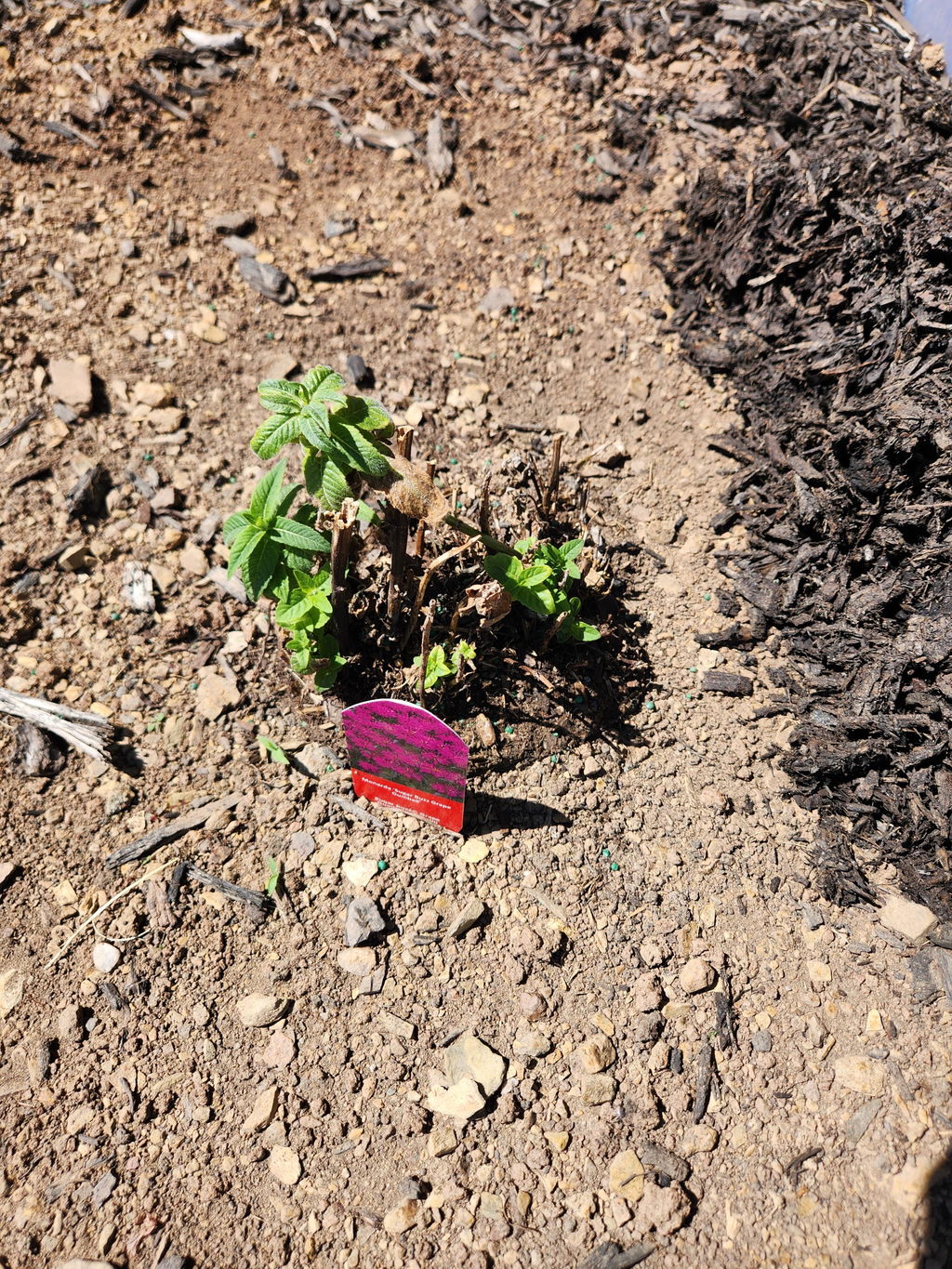
These were loosely wrapped in a plastic bag and put in box on their sides with nothing to stabilize them in a box that was too large. When we opened the box, they were crammed into one end of the box. Cut them out of the plastic and the plants were not in their containers. Roots were torn out of the dirt & the greenery was seriously drooping. We have planted them but they look so pathetic, I'm not sure if they will make a recovery and thrive so I will be going shopping to find replacements. I will not order again from this company.
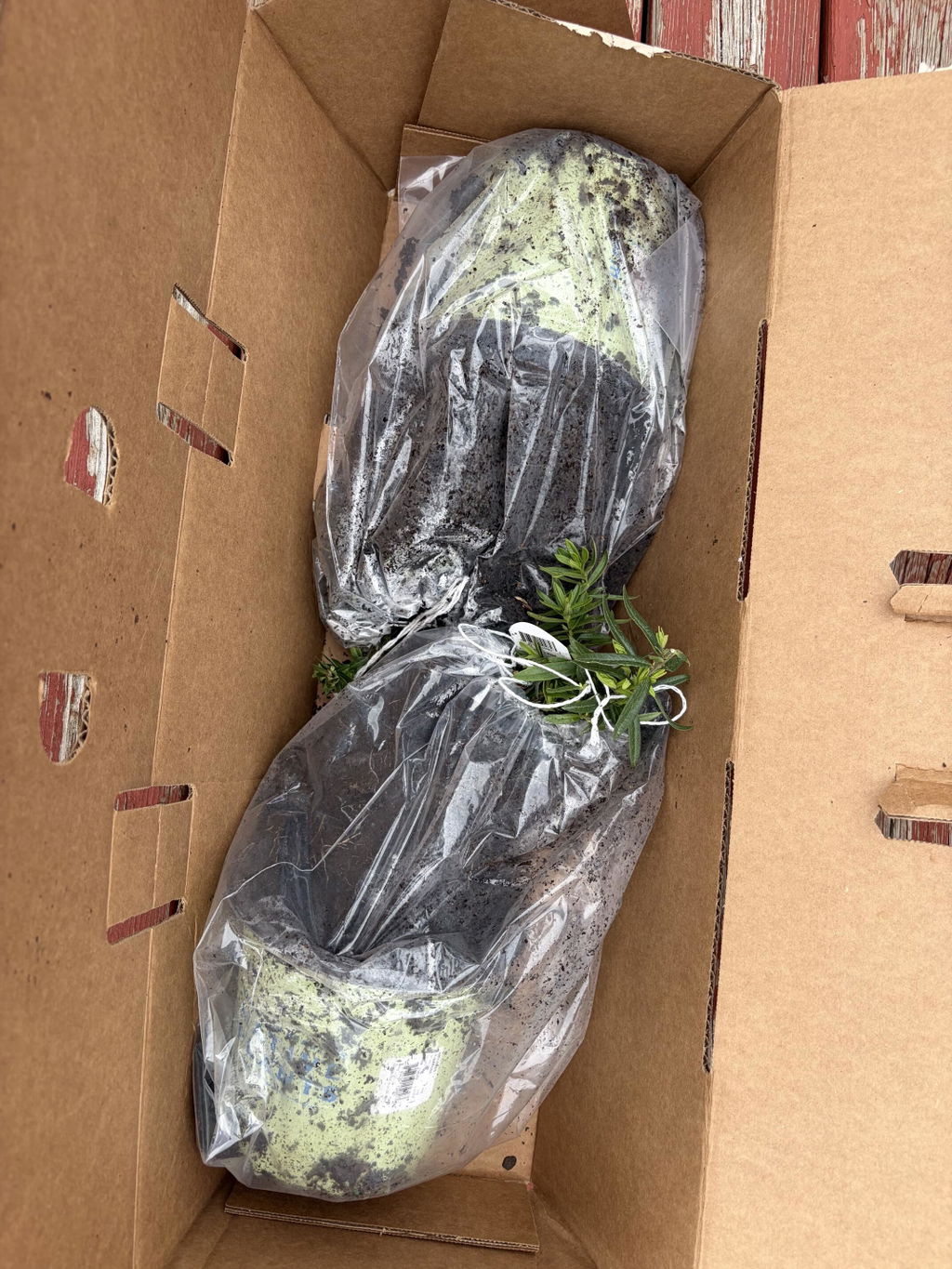
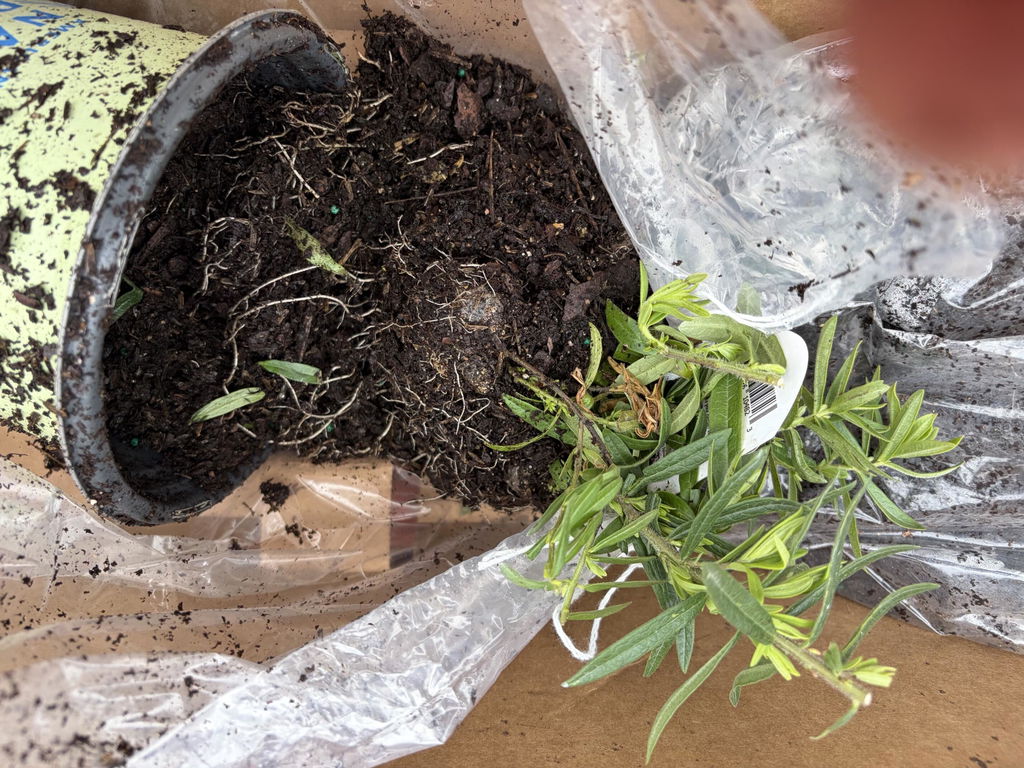
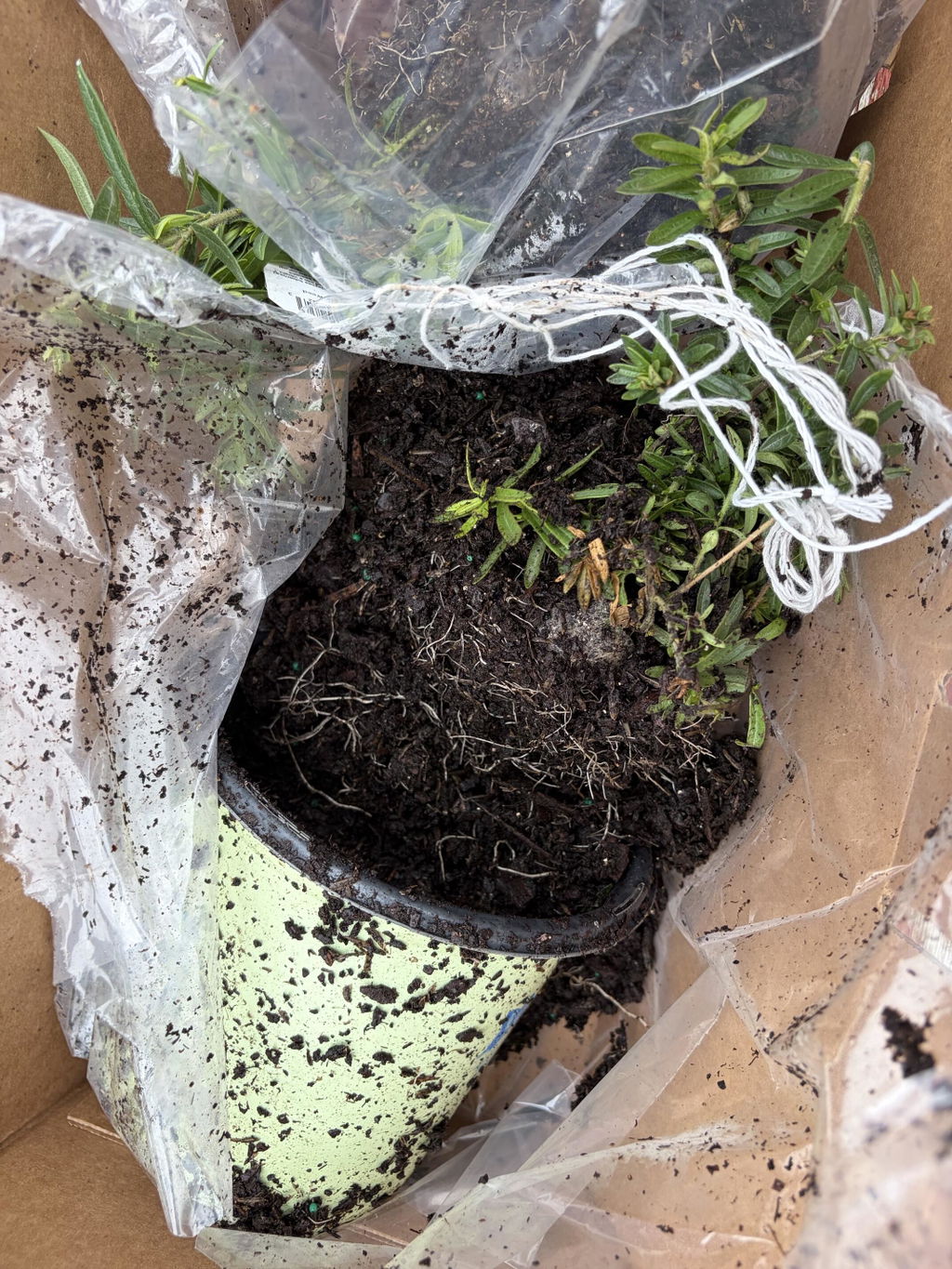
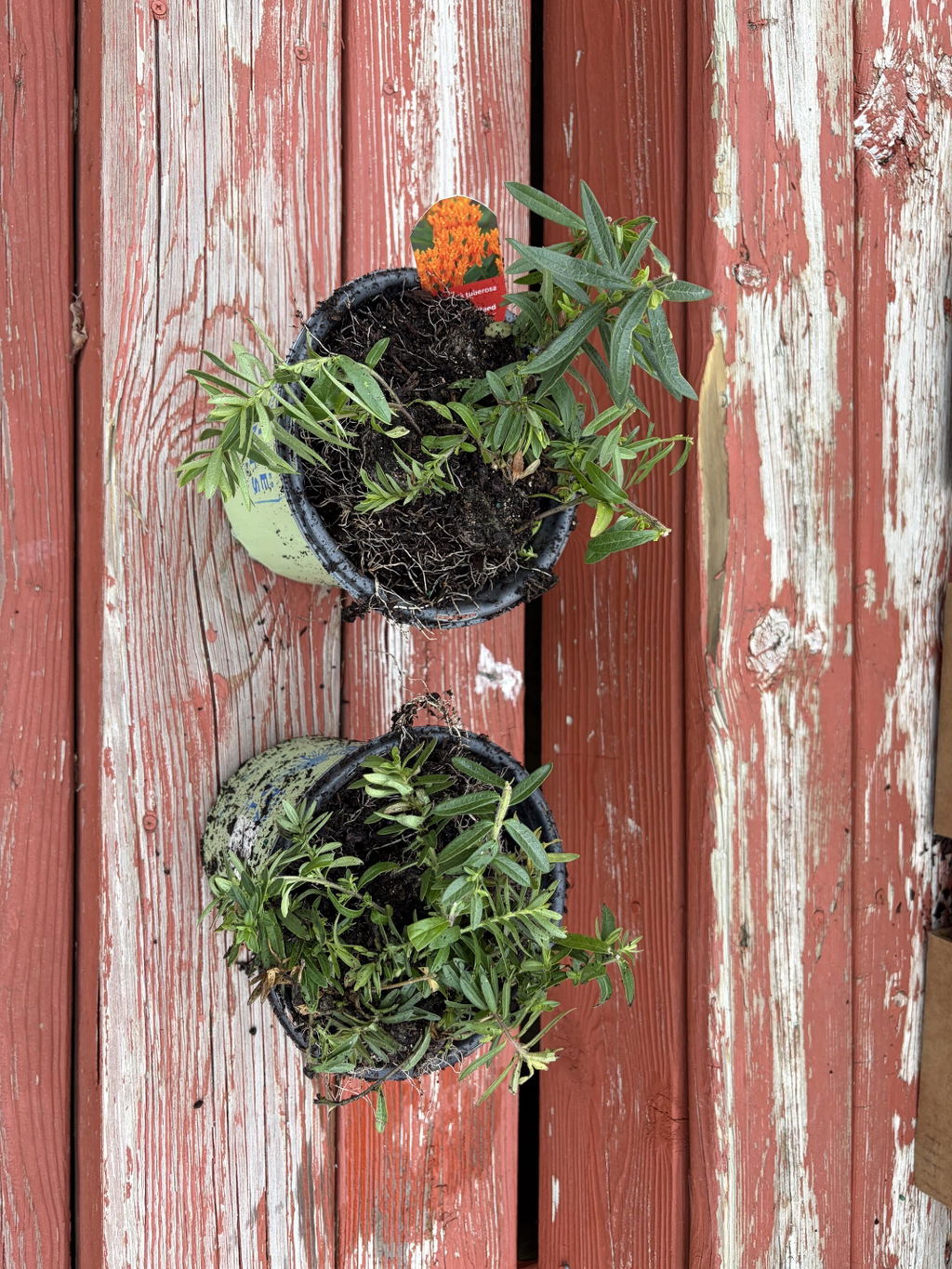
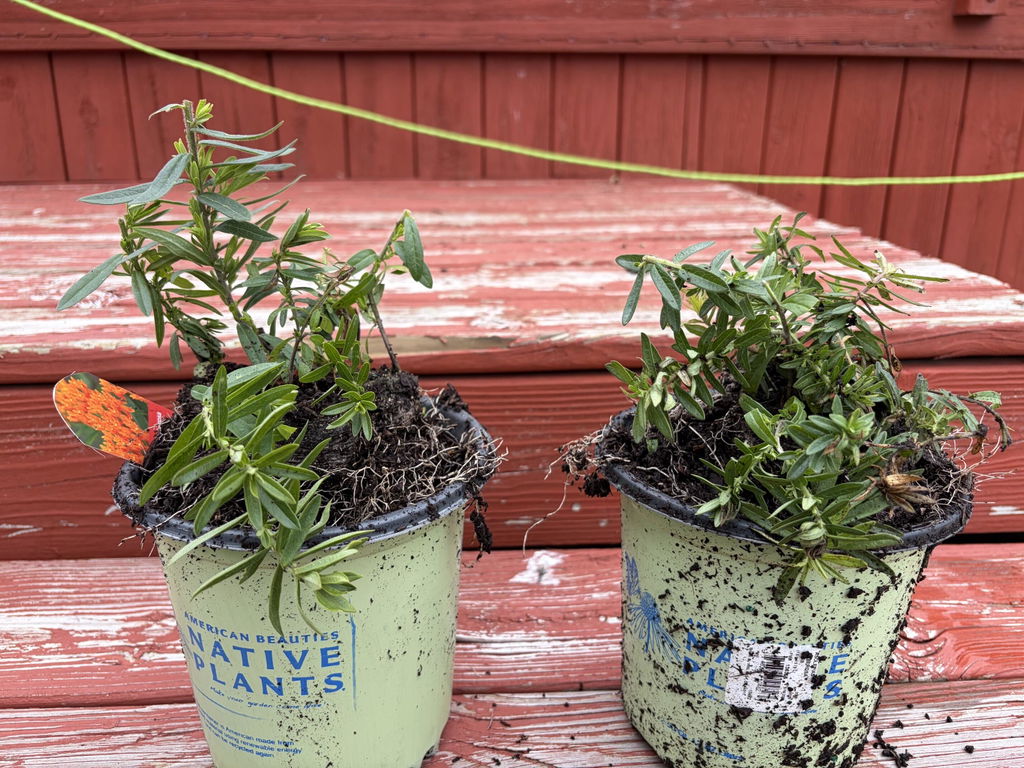
Plant is healthy and shipment was fast.
Healthy on arrival and quick to your door. That is exactly how it should go with butterfly weed, since it likes to get settled in the ground without too much delay. Thanks for letting us know it arrived in good shape, Michael. We hope it brings in plenty of monarchs this season.
Not blooming yet! I hope they grow as they are the second batch
Nice plants! They arrived unharmed, and in healthy condition. I’m excited to see how they perform next year for the whole growing cycle.
First, box arrived with the plants pretty much smashed and struggling for life, also the plants and container were a lot smaller than what was dipicted in the online picture. It was almost like the plants were sapplings so very disappointed with all of it.
I was very disappointed with the quality of the plants. I order a lot of plants online and when I pay $37 for a one gallon pot, I expect to receive a plant that is significantly more than 1 1/2 inches tall. They are the wimpiest, unhealthiest, stragglielist one gallon plants I've ever received. I'll be lucky if they survive. I certainly can't transplant them into my garden yet, but will have to baby them all Summer and hope. You have lost my business.
I realized the day after I planted this that it was a big clump of smaller plants, I decided to separate and they are all doing great
Butterfly weed does divide nicely when you get a good clump, and it sounds like you ended up with a much better spread for it. They can take a little while to settle in after being moved, so it is great to hear they all took hold. Thanks for sharing that tip, Kate, it is worth knowing for anyone else planting this one. The Nature Hills Team
Rabbits ate the crown the 1st night. So hopefully it comes back .
My butterfly weed plant arrived just fine, and I left it in it's original pot, outside on my table. Rains started, and kept on almost each day, and I forgot to bring it inside( as I knew it didn't need so much water) So, it now looks to be dead.
