Free Shipping on Orders $199+

Growing Zone: | Garden in
Find your Growing Zone!

Top 10 New Plants To Resolve To Grow This New Year

Top 10 New Plants to Resolve to Grow This New Year

Charlotte Weidner |

New year, new garden glow up!

If you are dreaming about healthier habits, brighter days, self-care, and fresh starts, Ma Nature has a leafy way to help you stick the landing. These top 10 new plants to resolve to grow this year bring color, fragrance, resilience, pollinator power, and a whole lot of good vibes straight to your garden beds and porch pots. Think of them as botanical self-improvement partners ready to cheer you on all year long!

From Roses that bloom like renewed confidence to Hydrangeas that rise tree-tall, these inspiring picks make New Year's resolutions feel more like rewards. Here's your plant-powered path to growth, perfect for gardeners drawn to relaxed beauty and shiny new landscape plant offerings!

Top Newest Plants At NatureHills.com!

1. Martha Stewart™ Hybrid Tea Rose - Resolve to Add More Elegance

This refined Hybrid Tea Rose brings soft blush petals, lush fragrance, and graceful stems that say yes to slowing down and savoring beauty. If growing Roses is on your resolution list, brushing up on proper Pruning Roses helps keep blooms coming strong all season. Pair good pruning with the right way to water plants for classic Rose success that feels timeless and totally worth it.

2. Frau Dagmar Hartopp Rugosa Rose - Resolve to Support Pollinators

This dependable Rugosa produces fragrant, silky single blooms beloved by bees and beneficial insects. Tough roots, dense stems, and textured foliage make it a smart choice for gardeners who want beauty that works hard. Healthy soil makes all the difference, so give this Rose a strong start by understanding why soil health matters and how plants like this shine in thriving Pollinator Gardens.

3. Joseph's Coat Climbing Rose - Resolve to Welcome More Color

A climbing rainbow for your garden resolutions, this Rose shifts from gold to pink to blazing red as the season unfolds. Trained on an arbor, trellis, or fence, it proves that growth can be bold, joyful, and totally worth the climb when paired with sturdy supports like Arbors, Trellises, and Pergolas, and planted in proper full sun.

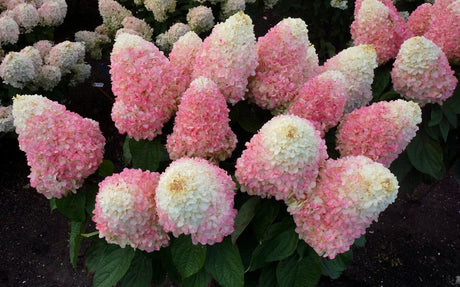
4. WorryFree® Love-A-Lot™ Pink Hydrangea Tree - Resolve to Grow Without Stress

A tree-form of the Love-A-Lot™ Hydrangea Shrub, this carefree tree-form Hydrangea showers the garden in big cotton-candy pink blooms on strong stems. Designed for easy care and reliable flowering, it is perfect for gardeners seeking beauty without fuss. If you love this look, explore more about Hydrangea Trees and how to keep them thriving year after year.

5. Coral Star Honeysuckle - Resolve to Attract More Hummingbirds

These tubular coral and yellow blooms practically dance with nectar lovers. With sweet fragrance, twining stems, and nonstop flowers, this Honeysuckle embodies joyful, high-energy growth and turns fences and trellises into living celebrations. It shines brightest when planted in thoughtfully planned sun gardens.

6. Virginia Rose - Resolve to Embrace Native Beauty

This native Shrub Rose delivers soft pink blooms, bright seasonal color, and rugged durability that laughs at tough conditions. Native plants like this one help rebuild landscapes naturally while supporting wildlife and long-term resilience. They shine in spaces inspired by restoration gardens that work with Ma Nature, not against her.

7. White Gayfeather - Resolve to Stand Tall and Shine

This pollinator magnet shoots skyward with spires of bright white blooms that look like little garden sparklers. Drought-tolerant once established, it is a natural fit for sunny borders and meadow-style plantings. For best results, review tips on Planting Perennials to give this standout a strong start.

8. Chionoides Rhododendron - Resolve to Create More Serenity

Creamy white trusses, glossy evergreen leaves, and a calm, grounded presence make this Rhododendron feel like a deep breath for the garden. It shines in dappled light and woodland settings, making it a natural fit for peaceful Woodland Gardens and among the best Shrubs for Shade.

9. English Roseum Rhododendron - Resolve to Add Bold Spring Color

This classic Rhododendron erupts in large clusters of rosy lavender blooms each spring. Planted correctly with good spacing, it reminds gardeners that timing and patience matter. Proper plant spacing helps this beauty reach its full potential.

10. Bug Bat Pitcher Plant - Resolve to Embrace Your Quirky Side

Unusual, insect-catching, and wonderfully dramatic, this Pitcher Plant turns heads and sparks conversations. It thrives with consistent moisture, making it a fun reminder that understanding the right way to water plants can unlock success with even the most unique plants.

Get Your Hands On The Newest Plant Offerings - Easily!

Nature Hills Nursery is making it easier than ever to keep your gardening resolutions and score the newest must-have plants for your yard by offering Shop Pay checkout, flexible installments, and preorder options that put your future garden front and center. With Shop Pay, you can breeze through checkout on coveted plants like seasonal trees, shrubs, and perennials without re-entering your info, plus split your purchase into simple payments so you do not miss out on that Japanese Maple or Hydrangea you have been eyeing.

Shop Pay also keeps tracking details in one place so you can follow your plants from nursery to doorstep with confidence. Preordering lets you reserve fresh arrivals like trending houseplants and landscape favorites early, locking in today's prices and ensuring your garden wakes up with the newest varieties as soon as spring arrives. This suite of tools means less stress at checkout, more time planning your dream landscape, and the freshest plants ready for planting when your USDA zone calls for it.

Fresh Starts, Fresh Blooms!

New Year's resolutions do not need to feel like another box to check. At Nature Hills, fresh new plants arrive with the promise of renewal, growth, and a clean slate rooted in Ma Nature herself. These standout newcomers invite you to resolve to grow something beautiful, nurture joy, and let your garden mirror your best intentions.

Each of these 10 plants carries its own kind of magic, from deep-reaching roots that speak to staying grounded, to lush leaves and expressive blooms that celebrate progress, patience, and possibility. Think of them as living resolutions that grow right along with you, shaping a garden and a mindset that feels inspired, hopeful, and full of forward motion all year long!

Happy Planting and Happy New Year!

Previous Next

Compare Plants

Browse the features and specs side-by-side to find the best fit for your garden.

A table comparing the facets of 5 products
Facet
Martha Stewart signature rose with pink flowers by Bloomables
Martha Stewart™ Hybrid Tea Rose
View details
Close-up of a Frau Dagmar Hartopp rose blossom featuring single, silvery-pink petals and a prominent golden-yellow center set against deep green, crinkled foliage.
Frau Dagmar Hartopp Rose
View details
Joseph's Coat Climbing Rose
View details
WorryFree Love-A-Lot Pink Hydrangea with large cone-shaped flower heads transitioning from white to rich pink, blooming in a compact garden setting
WorryFree® Love-A-Lot™ Pink Hydrangea
View details
Coral Star Honeysuckle Vine climbing a garden trellis with coral, apricot, and golden tubular flowers in full summer bloom
Coral Star Honeysuckle
View details
Rating
Rating--
(6)
(510)
-
Type
TypeShrubShrubShrubShrubPerennial
By
ByBloomables®Nature Hills NurseryNature Hills NurseryWorry FreePlants That Work
Flower Color
Flower Color
  • Pink
  • Pink
  • Red
  • Pink
  • Orange
  • Yellow
  • White
  • Pink
  • Orange
  • Yellow
  • Red
Growing Zone Range
Growing Zone Range
5-11
3-9
6-10
5-8
5-9
Mature Height
Mature Height
3-4 ft
3-4 ft
8-12 ft
4-5 ft
8-12 Feet
Width
Width
2-3 ft
3-5 ft
6-8 ft
4-5 ft
3-6
Price
Price
Regular price $9733
Regular price $9965
Regular price From $8969
Regular price $9224
Regular price $9233

Frequently Asked Questions

When is the best time to plant new perennials like Cephalaria gigantea in 2026 for optimal establishment?

The optimal time to plant Cephalaria gigantea depends on your hardiness zone, with spring planting (April through early June) recommended for zones 3-6 and fall planting (September through October) preferred in zones 7-9. Spring planting allows this 6-foot tall perennial to establish a strong root system before winter, while fall planting in warmer zones takes advantage of cooler temperatures and autumn moisture. In all zones, avoid planting during the hottest summer months when the large taproot struggles to establish. Plant in early spring after the last hard frost for best results in most regions.

What is the june flower?

June's signature flower is the rose, which reaches peak bloom during this month in most growing zones. Classic varieties like Hybrid Tea and Climbing roses produce their most abundant flush of flowers in early to mid-June, particularly in zones 5-9. Many rose varieties also bloom repeatedly through summer if properly deadheaded and watered. Plan to plant bare-root roses in early spring or container roses in late spring for spectacular June blooms next year.

What plants are native to my area?

Native plants vary significantly by geographic region and USDA hardiness zone. To find plants indigenous to your specific area, use your zip code in our Plant Finder tool or consult your local cooperative extension office for detailed native plant lists. Native species typically offer superior drought tolerance, natural pest resistance, and vital support for local wildlife and pollinators. Start by identifying your hardiness zone and researching 3-5 native plants that match your site conditions and garden goals.

What soil type and sun exposure does Cephalaria gigantea need for best growth?

Cephalaria gigantea thrives in full sun to partial shade and adapts to most well-draining soil types, including clay, loam, and sandy soils with a pH range of 6.0-8.0. This hardy perennial performs best in USDA zones 3-8 and tolerates both drought and poor soils once established. Plant in spring after the last frost, spacing plants 3-4 feet apart to accommodate their 6-8 foot mature height and spread. Choose a location with good air circulation and avoid waterlogged areas to prevent root rot.

How do I prevent Verbascum phoeniceum from self-seeding too aggressively in my garden?

Verbascum phoeniceum (Purple Mullein) readily self-seeds in zones 4-8, so deadhead spent flower spikes immediately after blooming in mid to late summer before seeds mature. Cut stems back to 6 inches above ground level using clean pruning shears. For established plants, remove volunteer seedlings in early spring when they're 2-3 inches tall and soil is moist. Leave only your desired plants spaced 12-18 inches apart to prevent overcrowding.

In which USDA zones is Cornus kousa ‘Teutonia’ hardy, and how do I care for its autumn color?

Cornus kousa 'Teutonia' thrives in USDA zones 5-8, tolerating temperatures down to -20°F. This dogwood naturally develops brilliant red-orange fall color without special intervention, typically peaking in mid to late October. For optimal autumn display, plant in well-draining soil with morning sun and afternoon shade, and maintain consistent moisture during dry spells. Avoid heavy fertilizing after mid-summer to encourage proper hardening off, which intensifies the fall color show.

Can I grow Artichoke 'Violet de Provence' from seed, and what are the best planting tips?

Yes, you can grow Artichoke 'Violet de Provence' from seed, though it requires patience as plants typically need 85-100 days to mature. Start seeds indoors 10-12 weeks before your last frost date in zones 7-11, sowing them ¼ inch deep in well-draining soil at 70-75°F. This heirloom variety produces stunning purple-tinged buds and performs best with consistent moisture and full sun exposure. Transplant seedlings outdoors after soil warms to 60°F, spacing them 3-4 feet apart for optimal growth.

How drought-tolerant is Lilium 'Nightrider', and what companions work in prairie-style plantings?

Lilium 'Nightrider' shows moderate drought tolerance once established but performs best with consistent moisture during its active growing season in zones 3-8. This dramatic dark burgundy lily reaches 3-4 feet tall and pairs beautifully with prairie natives like Purple Coneflower, Little Bluestem grass, and Wild Bergamot for textural contrast. Plant bulbs 6 inches deep in fall, spacing them 12-15 inches apart among your prairie perennials. Mulch around the base to retain soil moisture and protect the bulbs through winter.

What are the ideal conditions for Agastache 'Maestro' Coral and Gold in containers versus landscapes?

Agastache 'Maestro' Coral and Gold thrives in full sun (6+ hours daily) and well-draining soil in USDA zones 5-10, whether planted in landscapes or containers. In garden beds, space plants 12-18 inches apart and expect 18-24 inch mature height, while containers need at least 12 inches wide with drainage holes to prevent root rot. Container plants require more frequent watering during summer heat but benefit from better drainage control and mobility for winter protection in colder zones. Plant after last frost in spring and deadhead spent blooms regularly to encourage continuous flowering through fall.

How do I overwinter Mangave hybrids like 'Purple People Eater' in colder zones?

Mangave hybrids like 'Purple People Eater' are only cold hardy to zones 8-11, so gardeners in colder regions must bring them indoors before the first frost. Move containers to a bright, cool location (50-60°F) with minimal watering throughout winter, allowing soil to dry between waterings. In zones 7 and below, treat these succulent hybrids as houseplants during winter months. Check your local frost dates and relocate plants indoors at least two weeks before expected freezing temperatures.

Find Your Garden's Growing Zone!

Your Current Growing Zone:

Zone

ZIP Code:

✓ Growing Zone Set Successfully!

Your zone has been saved and will be used throughout the site.

⚠ Unable to locate a growing zone for that ZIP code.

Please check your ZIP code and try again.

Looking up your growing zone...

When ordering a tree or plant, make sure to know your planting zone.

You can determine your garden's USDA hardiness zone by entering your Zip Code below.