Free Shipping on Orders $199+

Growing Zone: | Garden in
Find your Growing Zone!

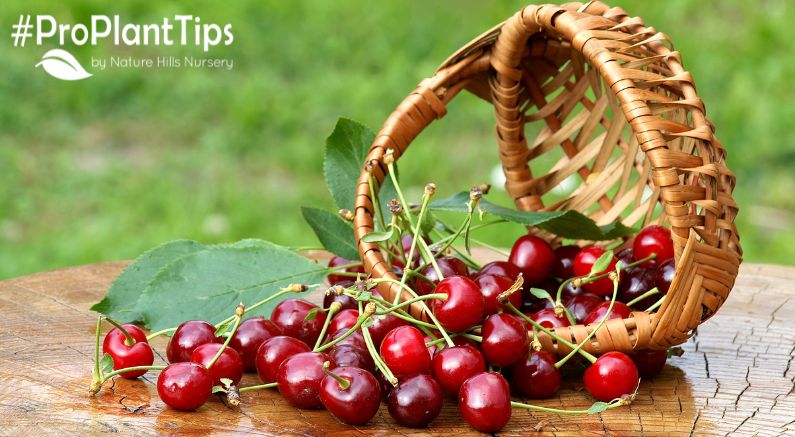
Health Benefits of the Sour Cherry

Health Benefits of the Sour Cherry - Nature Hills Nursery

Whitney Laritson |

The Cherry traces its history as far back as 3300 BCE. Both the Sweet and the Sour Cherry have been a highly desired part of the human diet for thousands of years.

The fresh Sour Cherry pies of Michigan and Wisconsin are always in demand during cherry season. A popular variety for pies is Montmorency Cherry - there is always a huge demand for those pies, and no wonder. They taste amazing! Sour cherries have been used by pie-makers for a very long time, but did you know they are also very healthy as a dried snack?

You typically find them in health food stores, or in the organic section of your local grocery store as "Tart Cherries."

Super Fruit Health Benefits of Sour - or Tart - Cherries

The tremendous health value of Sour Cherries has been realized as far back as 3000 BCE. Only today are we able to define what that really means. In more recent studies, the term “super fruit” has become associated with the Sour Cherry. This is due to the high antioxidant values the Sour Cherry possesses. It has been shown in studies to have high anti-inflammatory benefits, improve memory, lower the risk of heart disease and colon cancer, and has even been cited as contributing to a good night’s sleep.

For centuries, the bark of the Sour Cherry has been used as a cough suppressant, prized for its sedative, expectorant, drying and cough control qualities. The fruit of Tart Cherries contains melatonin, and studies show that they may be of benefit to improving sleep duration and in managing sleep disruption.

How to Use Sour - or Tart - Cherries

The versatile Sour cherry can be cooked, juiced, dried, frozen, eaten fresh or even distilled as the liquors Kirsch and Ratafia. They are included in any number of different preparations including baked goods, pies, preserves, main and side dishes or even for medicinal uses.

For example, the sour cherry is paired as a main dish with meat in Persian cuisine or used in the preparation of Sour Cherry Saffron Rice (Polow), a wonderful flavored side dish suited for royalty. The most popular variety for this is the red-fleshed English Morello cherry, though the North Star cherry with its dark red flesh would surly be a good consideration as well.

Sour cherries are delicious, and can be dried in a dehydrator. These dried fruits really improve the flavor complexity of a trail mix blend.

Sour Cherries Are Easy to Grow and Stay Small

stella cherry tree

Sour Cherry varieties are the most adaptable of all cherry types. They are ideally suited to the modern landscape.

A full size sweet cherry is often too big and needs pruning to fit into today’s smaller landscapes. The more popular sweet cherry varieties like Bing require a pollinizer, which means another tree. Sour Cherries are all self-fruitful, requiring no extra tree. In addition, the Sour Cherry is a natural dwarf and is often referred to as a bush Cherry because of its low growing canopy. Sour cherries can easily be maintained to below 8 feet with just a little summer pruning.

Their value as an edible ornamental shrub is tremendous. The trees develop prolific blooms in the spring, followed by bright ornamental fruit, and a wonderful vase shaped dormant structure. This can readily be achieved with the early season fruiting of the Early Richmond variety of Sour Cherry, long a favorite of American and English gardeners.

Growing well in zones 4-9 and newer varieties – like the Romeo and Juliet - are showing promise in zone 3-4. The Nanking Cherry has proven a good choice for zone 2. With this wide range of adaptability and the fruits seemingly unlimited uses, the Sour Cherry stands out as a first consideration for today’s home garden.

Happy Planting!

Shop Cherries
Previous Next

Frequently Asked Questions

Are sour cherries good for you?

Yes, sour cherries are exceptionally good for you and have been recognized as a "super fruit" due to their high antioxidant content. Studies show they provide anti-inflammatory benefits, improve memory, lower heart disease and colon cancer risks, and contain natural melatonin that promotes better sleep. The fruit can be enjoyed fresh, dried as tart cherry snacks, juiced, or baked into pies. Plant Montmorency sour cherry trees in zones 4-7 for your own healthy harvest each summer.

What to do with sour cherries?

Sour cherries are incredibly versatile and can be used fresh, cooked, juiced, dried, frozen, or even distilled into liquors like Kirsch. They excel in baked goods and pies (especially the popular Montmorency variety), preserves, and savory dishes like Persian meat preparations or Sour Cherry Saffron Rice. For health benefits, try them dried as a snack or fresh for their natural melatonin content to support better sleep. Harvest your sour cherries when fully ripe in mid-summer and use immediately or freeze for year-round cooking applications.

Are sour cherries edible?

Yes, sour cherries are absolutely edible and have been a prized part of the human diet since 3300 BCE. These versatile fruits can be eaten fresh, cooked into pies, dried as a healthy snack, juiced, or frozen for later use. Popular varieties like Montmorency are especially sought after for baking, while dried tart cherries are commonly found in health food stores for their antioxidant benefits. Plant sour cherry trees in zones 4-7 for fresh fruit harvests that can be enjoyed in countless culinary preparations.

What is the best time of year to plant a sour cherry tree?

The best time to plant sour cherry trees is during their dormant season, typically late fall through early spring when temperatures consistently stay below 50°F. In zones 4-7 where sour cherries thrive, aim for planting 6-8 weeks before your last hard frost in spring or after leaf drop in fall. Fall planting allows roots to establish before spring growth begins, while spring planting works well if you can water consistently through the first summer. Choose a sunny location with well-draining soil and space trees 20-25 feet apart for optimal growth and air circulation.

How much sunlight does a sour cherry tree need to produce fruit?

Sour cherry trees require full sun, meaning at least 6-8 hours of direct sunlight daily, to produce optimal fruit yields. In zones 4-7 where most sour cherries thrive, morning sun is particularly important for drying dew from leaves and preventing fungal diseases. Trees planted in partial shade will produce significantly fewer cherries and may develop weak, spindly growth. Choose the sunniest location in your yard, avoiding areas shaded by buildings or larger trees during peak daylight hours.

Are cherries good for cough?

Yes, sour cherry bark has been used as a natural cough suppressant for centuries due to its sedative, expectorant, and cough control properties. The bark contains compounds that help dry mucus and soothe throat irritation. While you can grow your own sour cherry trees in zones 4-7, consult with a healthcare provider before using cherry bark medicinally, as proper preparation and dosage are important for safe use.

Can eat cherry when cough?

Yes, sour cherries can help with coughs due to their natural medicinal properties. The bark of sour cherry trees has been used for centuries as a cough suppressant, valued for its sedative, expectorant, and cough control qualities. The fruit itself contains beneficial compounds that may provide similar respiratory support. Consider eating fresh tart cherries, drinking sour cherry juice, or using dried tart cherries as a natural remedy when dealing with cough symptoms.

What soil type and pH level do sour cherry trees require?

Sour cherry trees thrive in well-draining, loamy soil with a pH between 6.0 and 7.0, though they can tolerate slightly acidic conditions down to 5.5. These trees perform best in USDA hardiness zones 4-7 and require soil that doesn't retain standing water, as wet conditions can lead to root rot. Heavy clay soils should be amended with compost or coarse sand to improve drainage before planting. Test your soil pH with a digital meter and add lime if needed to raise pH or sulfur to lower it several months before planting.

Can you eat sour cherries?

Yes, you can absolutely eat sour cherries fresh, though they have a tart flavor that many people prefer in cooked preparations. These versatile fruits can be enjoyed fresh, dried as a healthy snack, juiced, frozen, or used in countless recipes from pies and preserves to main dishes like Persian cherry rice. Sour cherries are packed with antioxidants and anti-inflammatory compounds, making them a nutritious "super fruit" choice. Harvest your sour cherries when fully ripe in mid-summer and enjoy them fresh or preserve them for year-round health benefits.

Are cherries man made?

No, cherries are not man-made. Both sweet and sour cherries are natural fruits that trace their origins back to 3300 BCE, making them one of humanity's oldest cultivated crops. While modern cherry varieties have been selectively bred and grafted to improve traits like size, flavor, and disease resistance, the basic fruit itself occurs naturally in the wild. Choose heritage varieties like Montmorency sour cherries for zones 4-7, or select modern cultivars bred for your specific climate zone and growing conditions.

Find Your Garden's Growing Zone!

Your Current Growing Zone:

Zone

ZIP Code:

✓ Growing Zone Set Successfully!

Your zone has been saved and will be used throughout the site.

⚠ Unable to locate a growing zone for that ZIP code.

Please check your ZIP code and try again.

Looking up your growing zone...

When ordering a tree or plant, make sure to know your planting zone.

You can determine your garden's USDA hardiness zone by entering your Zip Code below.