Shop With Confidence: FREE Growing & Glowing Promise

Free Shipping on Orders $149+

#ProPlantTips: Pruning and Caring for Lilacs

#ProPlantTips: Pruning and Caring for Lilacs - Nature Hills Nursery

Charlotte Weidner |

Like a breath of fresh air and the promise of warmer weather ahead, Lilacs are highly anticipated blooms each spring!

These are some of our favorite flowering shrubs here at Nature Hills Nursery and our horticulturists want to help you know the best ways to keep your plants blooming and looking their very best!

All About Lilacs

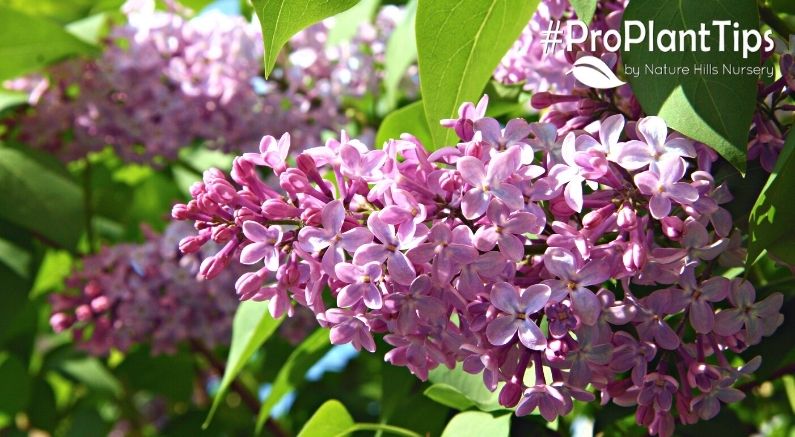
lilac blooms

Flowering Lilac bushes (Syringa) are low-maintenance, easy to grow, and are very hardy plants! They are among the most fragrant flowers in the plant world! You’ll find a fabulous range of Lilac for sale right here at Nature Hills Nursery. In addition to being fantastically fragrant, Lilac bushes are rugged and long-lived. This makes Lilac bush care a breeze.

Larger shrubs offer good summer shade and privacy once they have reached their mature height, and provide screening from the neighbors, as well as block wind! Pollinators adore these blooms, so bees and butterflies will arrive in droves seeking out the nectar! They are fantastic cut flowers for perfuming your home and are just an old-fashioned standard flowering shrub and herald of summer.

butterfly on lilacs

Most Lilacs perform best between USDA hardiness zones 2 to 8, where longer hours of winter chill hours are available. Lilacs simply will not bloom if they’ve not had the required amount of chill. In warm winter zones, you can get the look of a Lilac with California Lilac (Ceoanthus).

Why and When to Prune Lilacs

The average size for a Lilac bush is approximately 6-10 feet, so tackling the job of trimming, shaping, and pruning Lilacs is easiest when you know how. Pruning should be done immediately after the flowers have died off. With a little pruning knowledge and how to replenish the old wood with new shoots - these shrubs can last a lifetime!

Plan to prune your Lilacs immediately at the end of the blooming season, which occurs in early summer. Pruning too late will result in a reduction of blooms in the next season, or removing them entirely! Pruning too early will lessen the amount of time you have to enjoy your bush or Lilac tree during the season.

You will need:

  • Pruning shears
  • A small saw
  • Gardening gloves

How do you trim a Lilac bush?

  1. Decide on your Lilac bushes height - Prune fewer old stems at the top of the bush if you prefer to retain them as tall bushes - Since the older stems produce the flowers, trimming too many of them will cause the Lilac bush to have fewer blooms.
  2. Clip off the dead flowers - Spent Lilac flowers are primarily located at the top of the bush.
  3. Trim shoots/suckers near the ground - Remove any suckers that develop too far away from the base of the plant if desired.
  4. Reach into the bush and clip a few larger stems - This will allow more sunlight to reach the inside stems.
  5. Prune dead or unhealthy-looking stems- These are the stems that are broken, withered and often hanging haphazardly on the plant.
  6. Trim branches - Focus on cutting the branches that stick the farthest out from the bush and any branches that are twisted around each other. Use the saw to cut the branches if your Lilac plant is older and the branches are thick.
Trimming a Lilac Bush

Frequently Asked Questions

Can Lilacs be cut back hard?

How do you rejuvenate old Lilacs? Say your older Lilac shrub has become sparse and leggy, requiring something more severe than just a trim. Renewal pruning and drastic changes may need to be done to freshen up the entire shrub, but it will be worth it.

pruning lilacs

Maybe your Lilac is simply old and overgrown and you really need to rejuvenate it. You can let it bloom first if you like, but if you can't wait - you can cut out the oldest, fattest stems right down to the ground. Leave the younger, thinner stems in place just as you would for renewal pruning any other shrubs.

Maybe your plant is really overgrown? Lilacs are very forgiving and will respond beautifully if you cut all of the stems down to the ground and let all new growth develop from the roots.

Should you cut back Lilacs?

Yes! Pruning Lilac bushes not only helps add fullness and branching but also shapes the plant and encourages new growth. You’ll keep large shrubs in check and small shrubs neat and tidy.

Transplanting Lilac Bushes

You can transplant young shrubs quite successfully! Read more in our Garden Blog Here!

Mulching and Fertility

It is best to add a 3-4 inch thick layer of Arborist bark chips as mulch over the surface of the root system, out to the dripline of your shrub or Lilac tree. This not only helps maintain soil moisture, and adds fertility but it also helps keep weeds down.

Use a general-purpose fertilizer in early spring, as soon as you see new growth forming, to promote blooming. Do not give flowering shrubs too much nitrogen since this will result in too few blooms! And avoid applying lawn or high-nitrogen fertilizers too close to these plants!

Soil and Water

bare dirt

Lilacs do not like wet soil over a prolonged period of time. The roots run very deep, so if there is an extended drought period, water infrequently but thoroughly. They prefer organically rich, slightly acidic soils with good drainage. Add compost or arborist wood chips to maintain a 3 - 4 inch layer as mulch over the roots as needed to help retain moisture.

Sun

Lilacs bloom best in full sun, so when planting a Lilac, be sure to select an area with at least 6 hours of direct sunlight per day. For older shrubs that may have had large trees grow up around them and begin shading them out, try pruning out a few limbs to let the sunshine through for your Lilac.

Enjoy Your Lilacs!

From large, impressive shrubs to smaller dwarf varieties, and even unique tree-form specimens and Bloomerang® reblooming varieties, the Lilac family's diverse colors and sizes will fill your world with varied beauty that lasts for decades! Let NatureHills.com help you keep your shrubs looking their very best!

Happy planting with Nature Hills Nursery!

Shop Lilacs
Previous Next

Frequently Asked Questions

How do you prune lilacs correctly without harming next year's blooms?

Prune lilacs immediately after the flowers fade in early summer, as waiting too long into the season risks removing the buds that will become next year's blooms. Since lilacs bloom on old wood, be careful not to remove too many of the older stems at the top of the bush, as these are the primary bloom producers. Use sharp pruning shears or a small saw to make clean cuts, and focus on thinning and shaping rather than heavy removal. As a rule, prioritize removing dead or crossing branches first, then step back and assess before cutting any healthy flowering wood.

When is the best time of year to prune lilac bushes?

The best time to prune lilac bushes is immediately after the flowers have finished blooming in early summer. Pruning too late in the season risks removing next year's flower buds, which set shortly after the current bloom cycle ends. Keep your pruning shears ready as soon as the blossoms fade, and get to work right away to ensure a full display of blooms the following spring.

How do you prune an overgrown or neglected lilac bush?

Overgrown or neglected lilac bushes respond well to a rejuvenation pruning, which involves removing up to one-third of the oldest, woodiest stems at the base each year over three years rather than cutting the entire shrub back at once. Always prune immediately after blooming ends in early summer, since lilacs set next season's flower buds shortly after, and pruning too late will cost you next year's blooms. Focus on removing the thickest old canes with a small pruning saw while encouraging younger, more vigorous shoots to take their place. With patience and consistent yearly pruning, your lilac will gradually renew itself and return to strong, fragrant blooming.

How do you prune a lilac to grow it as a small tree shape?

To train a lilac into a small tree form, select one to three of the strongest, most upright stems and remove all other suckers and shoots at the base. Over time, remove the lower side branches from your chosen stems to create a clean trunk, and continue eliminating any new suckers that emerge from the ground. Prune immediately after blooming ends in early summer to avoid cutting off next season's flower buds, which set shortly after the current bloom cycle finishes. Each year, maintain the shape by removing unwanted growth at the base and lightly shaping the canopy right after flowering.

Can you keep a lilac bush small through regular pruning?

Yes, you can manage a lilac bush's size through regular pruning, but keep in mind that most varieties naturally reach 6 to 10 feet tall and grow best when allowed to express some of that vigor. To keep your shrub more compact, prune immediately after flowering in early summer, removing select older stems at the top while leaving younger growth to fill in. Avoid heavy pruning too late in the season, as lilacs set next year's flower buds shortly after blooming and cutting too late will sacrifice your spring display. Focus on thinning a few old stems each year rather than shearing the entire plant, which will maintain a manageable size while keeping your blooms coming back strong.

How much of a lilac bush can you safely cut back at one time?

As a general rule, you should avoid removing more than one-third of a lilac bush's total growth in a single pruning session. Since older stems are responsible for producing flowers, cutting back too aggressively will significantly reduce blooms the following season. Always do your pruning immediately after the blooming period ends in early summer, before the plant sets next year's flower buds. Focus on selectively removing the oldest, woodiest stems at the base while retaining enough mature growth to ensure a strong bloom display next spring.

How do you trim a lilac tree to improve its shape and flowering?

Prune your lilac immediately after the blooms fade in early summer, as cutting too late will reduce or eliminate next season's flowers. Focus on removing older woody stems at the base to encourage vigorous new growth, while being careful not to over-trim the older stems since these are the ones responsible for producing flowers. Use sharp pruning shears for smaller stems and a hand saw for thicker wood, and always wear gardening gloves. Start by deciding your desired height, then selectively remove no more than one-third of the oldest stems each year to gradually reshape the plant without sacrificing bloom production.

Should you deadhead lilac blooms after they fade?

Yes, deadheading spent lilac blooms right after flowering is a good practice that redirects the plant's energy away from seed production and back into healthy growth. The ideal window is immediately at the end of the blooming season in early summer, since waiting too long risks removing the developing buds that will become next year's flowers. Use clean pruning shears and remove the faded flower heads just above the first set of leaves to keep your shrub tidy and well-positioned for a strong bloom the following spring.

How do you rejuvenate an old lilac bush that has stopped blooming well?

To rejuvenate an old lilac bush, prune it immediately after blooming ends in early summer, since cutting too late will reduce or eliminate next season's flowers. Use pruning shears and a small saw to selectively remove the oldest, woodiest stems at the base, allowing vigorous new shoots to take their place. Since older stems are responsible for producing flowers, remove no more than one-third of them per season to avoid shocking the plant. Repeat this renewal process over two to three seasons until the bush has been fully refreshed with productive new growth.

Can you prune California lilac the same way you prune common lilac?

California lilac (Ceanothus) and common lilac (Syringa) have different growth habits and pruning needs, so they should not be treated the same way. Common lilac blooms on old wood and should be pruned immediately after flowering in early summer, while Ceanothus generally requires only light shaping and does not respond well to hard pruning into old wood. For California lilac, stick to light tip pruning after bloom to maintain shape and encourage bushiness, and avoid cutting back into thick, woody stems.