Shop With Confidence: FREE Growing & Glowing Promise

Free Shipping on Orders $199+

Indoor Winter Citrus Care

Indoor Winter Citrus Care - Nature Hills Nursery

Nature Hills Nursery |

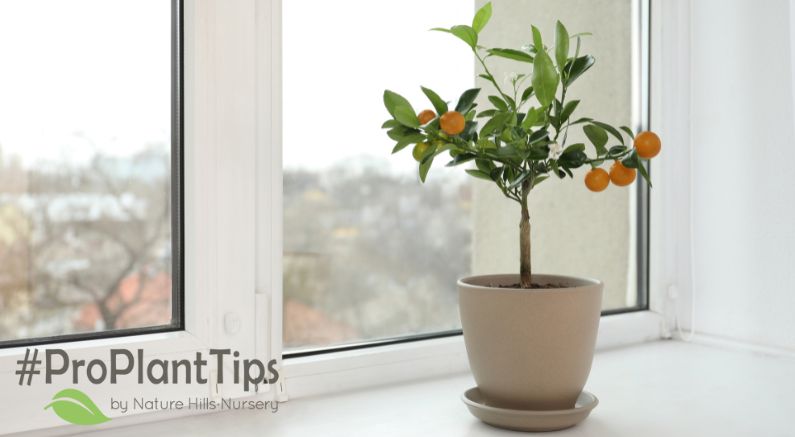
This is the time of the year when all citrus grown in cold climates is brought indoors for winter protection. There are a few critical considerations that will allow your citrus plant to adapt to being indoors and stay healthy until it is put back outside in the spring.

The optimal place to over winter a citrus is in a greenhouse that is climate controlled. This is rarely available to the average homeowner. The process of bringing plants indoors should begin about 3 weeks before expected night-time temperatures reach 35 degrees or less. Citrus plants should be brought to a protected location that is well lit but not necessarily full sun. A location up against the house is ideal. A covered patio works well or just a wall that has good radiant heat coming from the house. The idea is to get the plant used to less light while offering some protection from the fluctuating fall temperatures.

A permanent location inside the house should be selected with some important considerations. First and most important is sunlight. The location should be one with the greatest amount of sun available. A southern or southwest facing window is most often your best choice. Plants should be exposed to as much sunlight as possible. This means that when placing more than one plant, it is recommended that they not be placed behind one another. For maximum light exposure, place plants above one another on the floor and table.

Sometimes optimal sunlight exposure is not available indoors and artificial light is required. There is still much research being done to determine what the best artificial light source for the hobbyist is. Keep in mind that citrus typically is ripening fruit during the fall and into the winter. In nature this is happening when the sunlight is at its lowest exposure. Because of the research at this point, the recommendations are more directed at what not to do. When artificial light is needed, full spectrum florescent lights are not recommended. Though great for light, to the plant they suggest spring or summer. This is confusing to a plant that has just come in from being exposed to the shorter day light of the fall. Currently recommended is a bulb designed for plant growing: a grow light. Even better, if an indoor gardening company is available, contact them concerning the latest light sources or bulbs recommended for fall/ winter growing and fruit ripening.

Also important is not placing the plant close to any heat source. The dry air inside the house is another factor that can cause problems with citrus plants. The biggest contributor to dry air will be around any heat sources. If possible, avoid placing citrus close to heater vents, radiators, fireplaces and wood stoves. Avoid placing citrus close to kitchen stoves and ovens as well.

Last and most important is the watering of your citrus. Fall and winter alone mean that the plant is using less water because it is not in a growing mode but rather a dormant or fruit ripening mode. The improper watering of citrus when indoors is the number 1 reason for defoliation while indoors. While indoors, citrus requires ¼ the amount of water they require during the spring and summer months. Become familiar with the moisture in the soil by pushing your finger in up to the knuckle and feeling the wetness. Citrus should be grown on the dry side during the winter time. A wet finger means wet soil.

The fact is that citrus does best when grown on the dry side anytime. The difference is that the spring and summer months are active growing and flowering periods. The longer days, the heat and the growth all require more frequent application of water - unlike what is need during the winter months.

Previous Next

Frequently Asked Questions

How many hours of direct sunlight does an indoor citrus tree need to stay healthy through winter?

While the article does not specify an exact number of hours, indoor citrus trees should receive the maximum amount of sunlight possible during winter. Place your tree in a south or southwest facing window to capture the most available light, and avoid positioning multiple plants behind one another. If natural light is insufficient, use a grow light designed for fall and winter growing rather than full spectrum fluorescent bulbs, which can confuse the plant by mimicking spring or summer conditions. Contact a local indoor gardening specialist for the latest recommendations on bulb types suited for fruit ripening in low-light winter conditions.

What indoor temperature range helps citrus trees thrive during the winter months?

While the provided article does not specify an exact indoor temperature range, citrus trees generally thrive between 55 and 65 degrees Fahrenheit during winter months, with nighttime temperatures on the cooler end of that range. The key is to begin transitioning your citrus indoors about three weeks before outdoor nighttime temperatures drop to 35 degrees or below. Avoid placing your tree near heating vents or radiators, as the dry, hot air can stress the plant significantly. Choose a stable interior location away from heat sources and drafts, ideally near a south or southwest facing window for maximum light exposure.

How do I raise humidity levels around my indoor citrus tree without overwatering it?

To raise humidity around your indoor citrus without adding excess moisture to the soil, place a shallow tray filled with pebbles and water beneath the pot, keeping the water level just below the bottom of the pot so roots never sit in standing water. As the water evaporates, it creates a pocket of humidity directly around the plant. You can also group citrus plants together to create a shared humid microclimate, or use a cool-mist humidifier nearby. Aim for indoor humidity levels around 50 percent, and mist the foliage lightly in the morning so leaves dry before cooler evening temperatures set in.

Should I reduce or stop fertilizing my citrus tree once I bring it inside for winter?

Yes, you should significantly reduce fertilizing when you bring your citrus indoors for winter. The plant's growth slows considerably in low-light indoor conditions, and feeding it too heavily can push weak, leggy growth that the plant cannot support without adequate sunlight. Cut back to roughly one-quarter of your regular feeding schedule, or switch to a very diluted liquid fertilizer applied no more than once a month. Resume a normal fertilizing routine about two to three weeks after moving the plant back outside in spring once it has readjusted to full outdoor light levels.

Why are my citrus tree leaves yellowing or falling off after I moved the plant indoors?

Yellowing and leaf drop after bringing citrus indoors is a common stress response to the sudden change in light levels and indoor air conditions. The transition from full outdoor sun to lower indoor light, combined with the dry air typical of heated homes, puts significant strain on the plant. To minimize this, begin acclimating your citrus about 3 weeks before nighttime temperatures drop to 35 degrees by staging it in a sheltered outdoor spot with reduced light first, then move it to your brightest south or southwest facing window indoors, keeping it away from heat vents and radiators that dry the air further.

How do I check for and treat spider mites, scale, and other pests on indoor citrus trees in winter?

Before bringing citrus indoors, inspect the undersides of leaves and stems closely for spider mites, scale insects, and mealybugs, as these pests thrive in the warm, dry conditions of a heated home. Treat active infestations with horticultural oil or insecticidal soap, applying thoroughly to all plant surfaces including leaf undersides. Check plants every two weeks throughout winter and maintain higher humidity around the plant, as spider mites in particular proliferate in dry indoor air.

When is the right time to prune an indoor citrus tree, and should I avoid pruning in winter?

The best time to prune citrus trees is in late winter to early spring, just before new growth begins, typically after the last frost risk has passed. Avoid heavy pruning while your citrus is overwintering indoors, as the plant is already under stress from reduced light and dry indoor air. Light removal of dead or crossing branches is acceptable during winter if necessary. Wait until you are preparing to move the plant back outside in spring to do any significant shaping or size reduction.

Can grow lights fully replace natural sunlight for an indoor citrus tree during the short days of winter?

Grow lights can supplement natural sunlight for indoor citrus during winter but are not a perfect replacement. Research is still ongoing regarding the best artificial light sources for hobbyist citrus growers, and full spectrum fluorescent lights are actually discouraged because they mimic the long days of spring and summer, confusing a plant that has just adapted to fall's shorter daylight cycles. A dedicated grow light designed for fall and winter fruit ripening is the current recommendation. For the most up-to-date guidance, contact a local indoor gardening specialist who can advise on the latest bulb technology suited to winter citrus care.

What potting mix and drainage setup works best for keeping citrus trees healthy indoors?

Citrus trees thrive in a fast-draining, slightly acidic potting mix with a pH between 6.0 and 7.0, ideally a blend formulated specifically for citrus or a mix of high-quality potting soil combined with perlite or coarse sand at roughly a 2:1 ratio. Always choose a container with multiple drainage holes and avoid saucers that allow the plant to sit in standing water, as soggy roots are one of the quickest ways to lose a citrus tree indoors. Check drainage by watering thoroughly and confirming that excess water flows freely within a few seconds. If your current container drains slowly, repot into a better-draining mix before bringing the plant inside for winter.

Is it safe to repot a citrus tree in winter, or should I wait until spring before sizing up the container?

Repotting a citrus tree in winter is generally not recommended, as the plant is already under stress from reduced light, dry indoor air, and the transition from outdoor to indoor conditions. Disturbing the root system during this dormant or semi-dormant period can compound that stress and increase the risk of decline. Wait until spring, after nighttime temperatures consistently stay above 35 degrees and you are preparing to move the tree back outdoors, then repot into a container only one size larger to avoid overwatering issues. Focus your winter care on maintaining consistent moisture, maximizing light exposure, and keeping the plant away from heat sources until repotting conditions are ideal.