Shop With Confidence: FREE Growing & Glowing Promise

Free Shipping on Orders $199+

Drought Tolerant Plants For The Landscape

Drought Tolerant Plants For The Landscape - Nature Hills Nursery

Nature Hills Nursery |

The Truth Behind Dry-Loving Plants

When seeing the words ‘drought tolerant’ next to plants individuals immediately resort to: ‘Oh! No watering is needed, perfect!’

However, that’s not the case and we’re here to set the record, myth and assumption straight for all you gardeners out there.

Drought tolerant isn’t a synonym for NO watering

In fact, plants who prefer dry climates actually need a year or two of growing seasons that are proper. Yes, this does include establishing an effective, regular watering schedule!

It also means that the root establishment should be pristine before weaning them off of regular irrigation. Dry plants love to sink their roots down low so that when the upper levels of soil go dry, they still have the water below.

This will only set them up to be truly low watering tolerant for those future dry periods!

Plant tip: If those hot, dry periods prolong, then it is always a good idea to give water to your plants just in case.

But, being drought tolerant merely means that the plant has a special ability to conserve the water supplied to them or reach out to find their own water source.

They truly are viewed as the superheroes among plants and we can see why!

Once a few drought-tolerant plants are added to a landscape here and there, you have found yourself in a world of what is called ‘xeriscaping.’

Fancy term if you ask us, which only makes us want to be a part of it so much more! What is xeriscaping you may ask? You may be partaking in it currently without even knowing!

The process of designing landscapes, yards, gardens to reduce or even fully eliminate the amount of water needed is what it takes to be in xeriscaping. Beyond what the natural world supplies them, these landscapes need little to almost no water!

If you ask the dry Western states, they have the process down to an exact science. You could almost call them ‘pro-xeriscapers.’ But we definitely made that word up!

Each year, you’ll be surprised with the time and money saved stemming from the lesser amount of watering due to the new and improved style of gardening adopted.

But, the true beauty lies within a well-designed, beautiful drought-tolerant garden!

Selecting, Planting, & Caring For Plants That Prefer Dry Conditions

The best time to plant your new dry-loving natural specimens is in the spring and fall of each year. In fact, you’ll absolutely want to avoid the summer!

Cooler months allow for the root system to establish itself before the summer heat dries out the top tiers of the soil. And as mentioned before, it’s essential to let the roots dig deep in the early growing years.

But who says the fun of planning a drought-tolerant garden can’t start now? Picking out your favorites is the best part and Nature Hills has just what you are looking for.

This even provides the time to prep the landscape before fall planting comes around so that the new plants love their new and improved home!

A Russian Sage would look dashing placed in the sunny patch of a front yard landscape where those walking by can admire its beauty. Its lavender color never goes unnoticed!

Not to mention, it can tough out heat, droughts, pests, anything and everything while still gracing our eyes with a glorious purple bloom. Be on the lookout for new blossoms year after year.

Or if you are a lover of pollinators, order a Miss Ruby Butterfly Bush or two to lock in the ends of a garden bed full of colors. The sweet fragrance is sure to attract beautiful butterflies as well as a few neighbors stopping by!

Before planting your heat-tolerant specimens, soak their roots into a bucket of water until they are wet through. This way they can adjust to their new home in an easy way while not drying out too quickly.

They also appreciate mulch or organic matter spread upon their bases to trap in moisture and prevent over evaporation. Hey, this is just another excuse to decorate using various shades and forms of mulch!

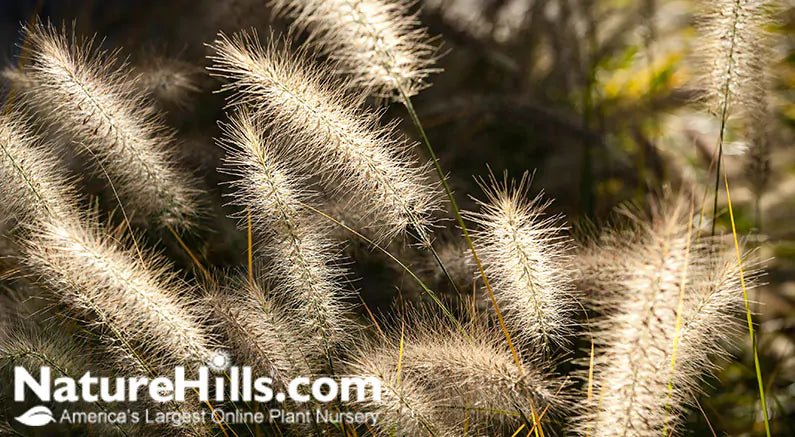
To pair up with shrubs that enjoy the heat, grasses are an ideal candidate for providing an extra forte to a yard. Place Dwarf Fountain Grass or The Blues Little Bluestem Grass for year-round interest as a perennial border!

These two accented show stoppers will even kindly control erosion and stay in graceful shape while staying easy to maintain too.

Now that we have our background set up for the perfect drought-tolerant garden, it’s time to add in the stars of the show!

A Stella de Oro Daylily or a Firewitch Dianthus are stunning, fragrant, vibrant, and most importantly - hardy and heat tolerant when established.

You’ll want to plant multiple of these in the front to show them off, but no need to worry about how easily accessible they are. Periodic dry spells don’t rain on their parade (nor anyone else’s parade for that matter.)

However, when establishing these perennials during their first year of growth, it’s essential to provide them with regular watering as they adapt to new soil.

A secret from gardener to gardener, they enjoy water in the mornings so that it can be used to fight off the heat throughout the day! After the year is up, occasional light watering will do just the trick.

Before you know it, November will be here and the ideal planting season for heat-loving plants will be upon us. Don’t hesitate to start planning and ordering landscape favorites!

Planting drought-tolerant plants is the new gardening craze, so let’s embrace the less watering work needed.

Happy planting!

Previous Next

Frequently Asked Questions

How do I choose drought-tolerant plants that still look attractive throughout all four seasons?

Choosing drought-tolerant plants that provide year-round interest means layering your selections across bloom times, foliage textures, and seasonal structure. Look for a mix of spring-flowering perennials like coneflowers, summer standbys like ornamental grasses, and plants with winter interest such as evergreen sedums or ornamental bark. Plan your planting in spring or fall to give root systems time to establish before summer heat sets in, which is critical for long-term performance and visual health. Visit naturehills.com to browse drought-tolerant collections filtered by your USDA hardiness zone and seasonal interest to build a landscape that looks great from January through December.

Which drought-tolerant plants work best for my USDA hardiness zone and regional climate?

Selecting the best drought-tolerant plants for your zone starts with matching the plant's hardiness rating to your regional winters and heat conditions, since a plant that thrives in the arid Southwest (zones 8-10) may not survive a zone 5 winter. Native plants are often your strongest choice because they have already adapted to your local rainfall patterns, soil types, and temperature swings over thousands of years. Visit the Nature Hills website and use the plant search filters to sort by your USDA hardiness zone, then look for species tagged as drought tolerant to narrow down the best candidates for your specific region.

How do I prepare my soil before planting drought-tolerant plants to give them the best start?

Preparing your soil before planting drought-tolerant plants is all about encouraging deep root growth rather than amending heavily to retain moisture. Loosen the soil to a depth of at least 12 to 18 inches so roots can penetrate downward and access water reserves in lower soil levels, which is exactly how these plants survive dry periods. Avoid over-amending with rich compost or moisture-retaining materials, as most drought-tolerant plants thrive in leaner, well-draining conditions that mimic their natural habitat. Plan to plant in spring or fall when cooler temperatures give roots time to establish before summer heat arrives, then commit to a consistent watering schedule for the first one to two growing seasons before gradually reducing irrigation.

When should I water newly planted drought-tolerant plants before they become fully established?

Newly planted drought-tolerant plants require consistent, regular watering for the first one to two growing seasons while their root systems establish. The goal during this period is to encourage roots to grow deep into the soil, where moisture is retained even when the surface dries out. Water deeply and thoroughly rather than frequently and shallowly to train roots downward. Once established, you can gradually reduce irrigation, but always provide supplemental water during extended hot or dry spells as a precaution.

Which drought-tolerant plants are best for slopes, hillsides, or areas with fast-draining soil?

Drought-tolerant plants with deep, spreading root systems are ideal for slopes and fast-draining soils because they anchor soil while reaching moisture well below the surface. Strong choices include creeping juniper, native ornamental grasses, lavender, and yarrow, all of which thrive in well-drained conditions and establish quickly when planted in spring or fall. Avoid planting during summer heat, as cooler soil temperatures give roots the best chance to spread before dry conditions set in. Visit Nature Hills to browse our full selection of slope-appropriate drought-tolerant plants and filter by your hardiness zone to find the right fit for your landscape.

Can drought-tolerant plants survive in containers, and how does care differ from in-ground planting?

Drought-tolerant plants can survive in containers, but they require more attentive watering than in-ground plantings because pots dry out faster and roots cannot reach deeper soil moisture the way they can in the ground. Without the ability to sink roots deep to find water reserves, containerized drought-tolerant plants lose their primary survival advantage and will need irrigation more frequently, especially during summer heat. Aim to water container plants when the top 2 inches of soil are dry, and ensure pots have excellent drainage to prevent root rot. Choose containers at least 12 to 16 inches deep to give roots room to spread, and move pots to a shaded location during prolonged heat waves to reduce moisture loss.

Which activities and landscaping choices make the biggest difference in conserving water in the home garden?

Choosing drought tolerant plants suited to your region and designing your landscape around xeriscaping principles will have the greatest impact on reducing water use in the home garden. Planting in spring or fall rather than summer gives root systems time to establish before heat stress sets in, which is critical for long-term water efficiency. Once plants are established after one to two full growing seasons, you can significantly reduce irrigation since deep root systems will seek out moisture in lower soil levels on their own. Start by replacing a portion of your traditional plantings with drought tolerant species, commit to a consistent watering schedule during that first establishment period, and let the plants do the rest of the work for you.

How do I combine drought-tolerant plants to create a layered, naturalistic landscape design?

To create a layered, naturalistic landscape with drought-tolerant plants, start by grouping plants with similar water needs together and arrange them by height, placing taller specimens like ornamental grasses or drought-tolerant shrubs at the back and lower-growing ground covers at the front. Plant in spring or fall to give root systems time to establish before summer heat arrives, and space plants according to their mature spread to allow natural growth without overcrowding. Once established after one to two growing seasons, reduce irrigation gradually as plants develop deep root systems that seek out moisture on their own. Visit Nature Hills to browse our drought-tolerant plant collections and use the product descriptions to match plants by zone, size, and water needs for a cohesive xeriscaping design.

Should I mulch around drought-tolerant plants, and how much of a difference does it actually make?

Mulching around drought-tolerant plants makes a significant difference, as a 2 to 3 inch layer of organic mulch can reduce soil moisture evaporation by up to 70 percent while also regulating soil temperature and suppressing weeds that compete for water. This is especially important during the first one to two growing seasons when plants are still establishing their root systems before they can truly fend for themselves during dry periods. Apply mulch in spring before the heat sets in, keeping it a few inches away from the plant's crown to prevent rot, and replenish it each season as it breaks down.

Which drought-tolerant flowering plants attract pollinators while holding up during hot, dry summers?

Lavender, coneflower (Echinacea), black-eyed Susan, and catmint are excellent drought-tolerant flowering plants that draw bees, butterflies, and other pollinators while thriving through hot, dry summers in zones 3-9. These plants perform best when established during spring or fall, giving their root systems time to dig deep before summer heat arrives. Once established after one to two full growing seasons, they require minimal supplemental watering while continuing to bloom reliably. Plant a mix of these varieties in a sunny, well-drained spot and water deeply but infrequently during the first two seasons to encourage the deep root growth that makes them truly drought resilient.