Shop With Confidence: FREE Growing & Glowing Promise

Free Shipping on Orders $199+

An Easy Plan to Create Your Own Moon Garden!

An Easy Plan to Create Your Own Moon Garden! - Nature Hills Nursery

Charlotte Weidner |

Nighttime is a magical and mysterious time! The sun has set and the air cools, and the world just seems just a bit quieter. Many night-blooming plants wait until the cooler twilight hours when a whole new world awakens once the sun disappears and the moon shines. What a fantastic time to spend in the garden!

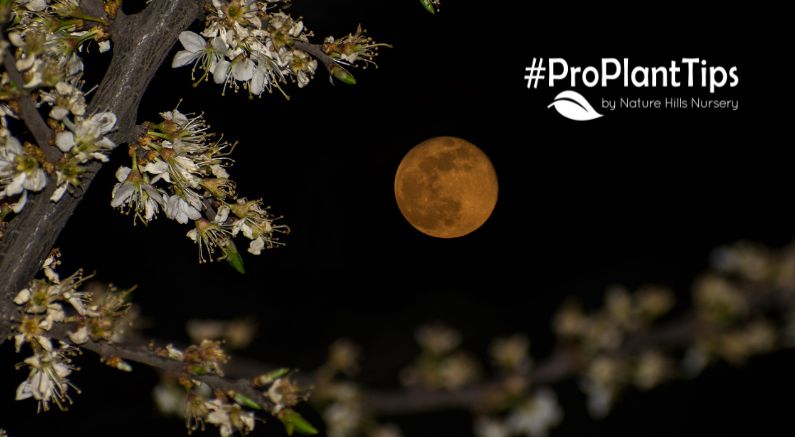
Creating a Moon Garden offers a serene and enchanting outdoor space that comes alive under the soft glow of the moon!

By carefully selecting plants with white or pale blooms and silvery foliage, you can design a garden that not only looks captivating at night but also provides delightful fragrances and textures.

Here are some great ideas to start a nighttime garden of your own!

Buy White flowering plants

Moonlight Sonata: Designing Your Moon Garden!

Why just enjoy your garden during the day? Plant a Moon Garden or Night-Flowering Garden allows you to take time out during the evenings and twilight hours to unwind and meditate. Listen to the crickets chirp or watch fireflies blinking in and out of view.

To craft a moon garden that truly shines after dusk, consider the following elements:

  • Color Palette: Choose white or light-colored flowers and plants with silver or variegated foliage to reflect moonlight! Creating a luminous effect!
  • Fragrance: Incorporate night-blooming or highly fragrant plants to enhance the sensory experience during evening hours.
  • Lighting: While the moon provides natural illumination, strategically placed soft lighting can highlight key features and extend the enjoyment of your garden into the night. Pathway lights, up-lighting trees, and fairy lights add to the beauty of the evening.

Best Trees, Shrubs and Perennials For Moon Gardens

Choosing the right plants is crucial for a successful moon garden. Here are some recommendations:

White or Pale Blooms: /strong> Plants like White Lilies, Moonflowers, and Flowering Tobacco are usually seen in Moon gardens. Choose plants that open or emit fragrance during the evening!

Silver Foliage: Plants such as Artemesia, Lamb's Ear, and Dusty Miller have silvery leaves that catch and reflect moonlight beautifully.

A Blue Moon is a second Full Moon in the same month

buy silver foliage plants

Blue Foliage:

The epitome of twilight, blue foliage stands out at nightfall.

Fragrant Varieties: Plants that offer sweet scents often become more pronounced in the evening, adding another layer of allure to your garden!

Moon Plants:

Be literal with plants named after the moon itself!

  • Moonrock Hydrangea
  • Moonbeam Coreopsis
  • Mad About Mangave® Moonglow Mangave
  • August Moon Hosta
  • Moonshine Yarrow
  • Moonglow® Sweet Bay Magnolia
  • Magical Moonlight Buttonbush
  • Moonglow Juniper
  • Luna™ White Hardy Hibiscus

A Black Moon is a second New Moon during the same month

Buy dark foliage plants

New Moon Garden Plants

While Moon Gardens traditionally focuses on light blooms and silvery foliage, incorporating plants with dark foliage adds stunning contrast! Including plants with dark foliage not only adds contrast to the lighter greens, variegation, and white flowers, making the luminous whites and pale colors stand out even more. The interplay of light and dark creates depth and drama, elevating the overall beauty of your garden.

But by including only dark foliage and flowering plants, you'll create a unique New Moon Garden! Scatter lights everywhere and bring out the beauty of the dark night!

Best Dark Foliage Plants For Moon Gardens

  • Black Mondo Grass
  • Dark-Leaf Dahlias
  • Heuchera (Coral Bells)
  • Black Lace Elderberry
  • Colocasia (Black Elephant Ear)
  • Burgundy Lace Japanese Painted Fern
  • Queen of Sheba Bugbane

Using Dark Foliage in Your Moon Garden

  • Layering: Place dark foliage plants in the background to create depth and allow lighter-colored blooms to pop in the foreground.
  • Container Gardens: Use dark-leafed plants as 'fillers' or 'spillers' in pots and pair them with silver-leaved or white-flowering companions for a striking visual effect.
  • Focal Points: Large-scale plants with dark foliage stand out both day and night!
Buy glow in the dark firefly petunia

Add Glow in the Dark Plants!

A recent innovation that can add a magical touch to your moon garden is the Firefly™ Petunia! This bioluminescent flower emits a gentle glow at night, thanks to the incorporation of DNA from bioluminescent mushrooms.

During the day, it appears as a typical white Petunia, but as darkness falls, the leaves, stems and flowers all radiate a soft, enchanting light, enhancing the nocturnal beauty of your garden!

Moon Garden Final Touches

Don't forget the final touches that make for a great garden and outdoor room! Select garden Lighting and Lamps, glow-in-the-dark stones, white rocks or path lights. A comfy seating area, a Hammock to relax in, a water feature or firepit, and a gazing ball to reflect the moonlight.

Include citronella candles or Mosquito repelling plants to repel these pests that are unfortunately also active during the evening hours. A nice seating area with some mosquito netting creates a picturesque and safe place to hang out during the night.

By thoughtfully selecting plants and providing proper care, your moon garden will become a tranquil retreat that offers beauty and serenity under the night sky.

Extend your garden time with plants that embody the evening and twilight, while also making it easy for you to care for. Plus they look just as great during the daytime too! Get gardening - day or night - with plants expertly grown at Nature Hills today!

Happy Planting!

Previous Next

Compare Plants

Browse the features and specs side-by-side to find the best fit for your garden.

A table comparing the facets of 5 products
Facet
First Editions® Iceberg Alley® Sageleaf Willow
Iceberg Alley® Sageleaf Willow
View details
Silver Mound (Artemisia schmidtiana), a perennial featuring perennial and clumping, creeping form.
Silver Mound
View details
Elijah Blue Fescue Grass (Festuca glauca 'Elijah Blue'), a perennial featuring purple flowers and perennial.
Elijah Blue Fescue Grass
View details
Beyond Blue™ Festuca
View details
The Blues Little Bluestem Grass (Schizachyrium scoparium 'The Blues'), a perennial featuring white flowers and perennial.
The Blues Little Bluestem Grass
View details
Rating
Rating
(2)
(3)
(2)
(1)
(1)
Type
TypeShrubPerennialPerennialPerennialPerennial
By
ByFirst EditionsNature Hills NurseryNature Hills NurseryNature Hills NurseryNature Hills Nursery
Flower Color
Flower Color
  • Red
  • White
  • Green
  • Purple
  • Yellow
  • White
Growing Zone Range
Growing Zone Range
3-6
3-9
4-9
4-9
4-9
Mature Height
Mature Height
3-6 ft
1 ft
1 ft
1 ft
2-3 ft
Width
Width
3-6 ft
1 ft
1-2 ft
1 ft
1-2 ft
Price
Price
Regular price $8109
Regular price From $1699
Regular price $5345
Regular price $5880

Frequently Asked Questions

How do I start planning a moon garden from scratch?

Starting a moon garden begins with selecting a location that receives good moonlight exposure and planning around three key elements: a white and pale color palette, night-blooming fragrant plants, and soft supplemental lighting. Focus on plants that open or release fragrance in the evening hours, such as Moonflowers, White Azaleas, Annabelle Hydrangea, Evening Primrose, and Flowering Tobacco, then layer in silver-foliaged plants like Artemisia, Lamb's Ear, or Dusty Miller to reflect and amplify available light. Add pathway lights, fairy lights, or uplighting to extend enjoyment beyond natural moonlight. Shop Nature Hills for a curated selection of white-blooming trees, shrubs, and perennials perfectly suited for your moon garden design.

Which white, silver, and night-blooming plants work best in a moon garden?

White or pale blooms like White Azaleas, Annabelle Hydrangea, White Roses, Moonflowers, Evening Primrose, and Flowering Tobacco are top choices for moon gardens, as many open or release fragrance specifically during evening hours. For silver foliage that catches and reflects moonlight, look to Artemesia, Lamb's Ear, and Dusty Miller, which provide luminous texture even when flowers are not in bloom. Fragrant additions like Phlox, Virginia Sweetspire, and Baby's Breath round out the sensory experience after dark. Browse Nature Hills' moon garden plant collection and select a mix of white bloomers, silver-leaved plants, and night-fragrant varieties to ensure your garden captivates all evening long.

How much sun or shade do most moon garden plants need to thrive?

Most moon garden plants perform best with at least 6 hours of direct sunlight per day, even though they shine brightest at night. Plants like White Azaleas and Virginia Sweetspire can tolerate partial shade, while Evening Primrose, Phlox, and Baby's Breath prefer full sun conditions. When planning your layout, observe how sunlight moves across your space throughout the day and position sun-loving bloomers where they receive the most light, then tuck shade-tolerant silvery foliage plants like Lamb's Ear and Artemisia into spots with dappled or afternoon shade.

How do I design a moon garden layout that looks its best after dark?

To design a moon garden that shines after dark, focus on a color palette of white or pale-bloomed plants paired with silver and variegated foliage that naturally reflect moonlight, such as White Azaleas, Annabelle Hydrangeas, Artemisia, and Lamb's Ear. Layer your plantings from low-growing Creeping Phlox and Baby's Breath at the borders up through mid-height Evening Primrose and taller shrubs to create depth that catches the light at multiple levels. Incorporate night-blooming and highly fragrant plants like Moonflowers and Flowering Tobacco to engage the senses beyond just sight. Complete the space with pathway lights, uplighting for key trees or shrubs, and fairy lights to extend your enjoyment well past twilight.

Can I grow a moon garden in a small yard, on a patio, or in containers?

Yes, moon gardens work beautifully in small spaces, patios, and containers. Compact white-flowering plants like Creeping Phlox, Baby's Breath, and dwarf white Azaleas thrive in pots, while fragrant night-bloomers like Moonflower vines can climb a trellis in even the tightest corner. Choose large containers of at least 12 to 16 inches in diameter to give roots adequate room, and group pots together to create a lush, layered effect. Add a few silvery-foliaged plants like Lamb's Ear or Dusty Miller around the edges to maximize the moonlight-reflecting impact and tie the whole display together.

How do I choose plants that bloom in the evening or release fragrance at night?

To create a successful moon garden, focus on plants that naturally open their blooms or release fragrance during evening hours, such as Moonflowers, Flowering Tobacco, and Evening Primrose. White and pale-colored blooms are especially effective because they reflect available moonlight and remain visible after dark. Pair these with silver-foliaged plants like Artemisia, Lamb's Ear, or Dusty Miller to amplify the luminous effect throughout the night. Browse Nature Hills' selection of white-blooming and fragrant varieties, and look for descriptions that mention evening fragrance or night-blooming habits to find the best candidates for your garden.

Which plant combinations work best for moon garden borders and walkways?

For moon garden borders and walkways, pair silvery-leaved plants like Lamb's Ear and Artemisia along the edges to reflect moonlight and define the path, then layer in white-blooming perennials like Phlox, Baby's Breath, and Evening Primrose behind them for height and fragrance. Creeping Phlox works exceptionally well spilling over the edges of walkways, while taller selections like Annabelle Hydrangea or White Roses create a dramatic backdrop. Add soft pathway lighting to complement the natural glow of these plants and extend your evening enjoyment. Start with the silver foliage plants as your anchor layer, then fill in with white bloomers that have staggered bloom times to ensure continuous interest throughout the season.

How do I plant and care for silver-foliage plants in a moon garden?

Silver-foliage plants like Artemisia, Lamb's Ear, and Dusty Miller thrive in well-drained soil with full sun to light shade, and most are hardy in zones 4-9 depending on the variety. Plant them in spring after the last frost, spacing them 12 to 18 inches apart to allow good air circulation and prevent fungal issues, which these plants are prone to in overly moist conditions. Water deeply but infrequently, as most silver-foliage plants are drought-tolerant once established and will actually decline with too much moisture. Place them along borders or pathway edges where moonlight can best catch their reflective leaves and create that luminous nighttime effect.

How should I water, mulch, and fertilize a moon garden to keep it healthy?

Water moon garden plants deeply but infrequently, aiming for about 1 inch of water per week either from rainfall or supplemental irrigation, and always water at the base of plants rather than overhead to prevent fungal issues on those prized white blooms. Apply 2 to 3 inches of mulch around your plants to retain moisture, regulate soil temperature, and suppress weeds, keeping mulch a few inches away from plant stems to discourage rot. Feed shrubs and perennials like hydrangeas and azaleas with a balanced slow-release fertilizer in early spring as new growth emerges, then follow up with a bloom-boosting low-nitrogen formula in midsummer to encourage those evening flowers. Check soil moisture regularly during hot spells, especially in zones 7 and above, and refresh your mulch layer each spring to keep your moon garden performing beautifully all season long.

When is the best time of year to plant or expand a moon garden?

The best time to plant or expand a moon garden depends on your climate zone, but spring and early fall are ideal for most regions. Spring planting, once frost danger has passed in Zones 5-9, gives perennials, shrubs, and trees a full growing season to establish strong root systems before winter. Fall planting works especially well for woody plants like white-flowering azaleas, hydrangeas, and roses, as cooler temperatures reduce transplant stress and encourage root development. Visit naturehills.com to check plant-specific hardiness zones and order in late winter or early spring to ensure availability for your ideal planting window.