






Native Plants
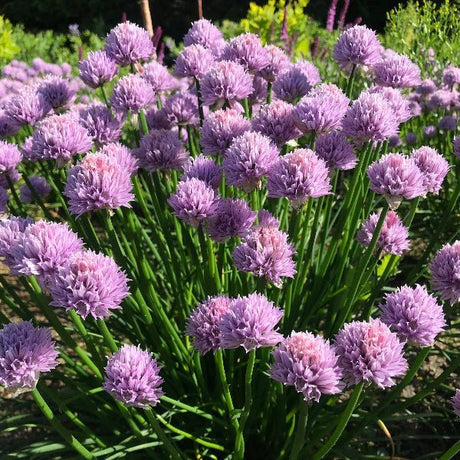
Grow a garden that works with nature, not against it. Our native plants, including coneflowers, bee balm, black-eyed Susans, native hydrangeas, and more, are naturally adapted to your region's soil and climate, so they establish faster, need less water, and thrive with minimal upkeep. Every variety is hand-selected to support local pollinators, butterflies, and birds while delivering season-long color and structure.
-
-
-
-
-
Asclepias incarnata
Up to 40% offSale price From $3290 Regular price $5484Unit price /Unavailable -
-
-
-
Lindera benzoin
Up to 25% offSale price From $5557 Regular price $7409Unit price /Unavailable -
-
Hydrangea arborescens 'Annabelle'
Regular price From $6827Unit price /Unavailable -
-
Coreopsis pubescens 'Sunshine Superman'
Regular price From $1999Unit price /Unavailable -
-
-
-
-
-
-
-
Callirhoe involucrata
20% offSale price $4454 Regular price $5567Unit price /Unavailable -
-
Major Wheeler Honeysuckle Vine
Lonicera sempervirens 'Major Wheeler'
40% offSale price $6086 Regular price $10143Unit price /Unavailable -
-
-
-
Prairie Glow Black - Eyed Susan
Rudbeckia triloba 'Prairie Glow'
Regular price $3974Unit price /Unavailable -
-
-
-

-
-
-
Yucca filamentosa
20% offSale price $4799 Regular price $5999Unit price /Unavailable -
-
Physostegia virginiana 'Pink Manners'
Regular price $3467Unit price /Unavailable -
-
-
-
-
-
-
-

Dennstaedtia punctilobula
40% offSale price $2318 Regular price $3864Unit price /Unavailable -
Sporobolus heterolepis
25% offSale price $4414 Regular price $5885Unit price /Unavailable -

The Nature Hills Advantage
Plant Sentry™ Protected: Every plant is inspected for invasive pests and diseases before shipment, ensuring your local ecosystem stays safe.
Nursery Direct: No middlemen. No big-box garden center delays. Just fresh plants from our field to your front porch.
Warranty Options: Every plant comes with our 45-day Growing & Glowing Guarantee. Additional protection can be purchased for total peace of mind.
Customer favorites
Shop customer favorites to see the most‑loved trees, shrubs, and perennials other gardeners keep coming back for. These top‑rated plants are proven performers, chosen for strong growth, reliable blooms, and excellent performance in home landscapes across 46 states.Browse best‑selling flowering shrubs, shade trees, fruit trees, ornamental grasses, and more that Nature Hills customers consistently rate highly and recommend to fellow gardeners.
-
-
-
Miscanthus sinensis 'Lady in Red'
Regular price From $3567Unit price /Unavailable -
-
Autumn Brilliance Serviceberry
Amelanchier x grandiflora 'Autumn Brilliance'
Up to 35% offSale price From $4862 Regular price $7480Unit price /Unavailable -
-
Thuja occidentalis 'King of Brabant' PP29,678
Regular price From $9940Unit price /Unavailable -
-
-
-
-
-
Perfecta Trifecta Butterfly Bush
Buddleia davidii BUZZ 'Sky Blue' 'Hot Raspberry' 'Ivory'
Regular price From $4729Unit price /Unavailable -
-
SUMMERIFIC® Cherry Choco Latte Hardy Hibiscus
Hibiscus moscheutos 'Cherry Choco Latte'
Up to 30% offRegular price From $4161Unit price /Unavailable -
-
Hydrangea paniculata 'Limelight'
Up to 20% offSale price From $6474 Regular price $8092Unit price /Unavailable -
-
-
-

EverColor® Everest™ Variegated Sedge Grass
Carex oshimensis 'Carfit01'
Regular price From $1999Unit price /Unavailable -
Thuja x plicata 'Junior Giant' PP31,297
Up to 25% offSale price From $7455 Regular price $9940Unit price /Unavailable -

Shop With Confidence: The Growing & Glowing Guarantee
When you order from Nature Hills, your plants are grown at our farm, packed by our team, and shipped directly to your door. If anything arrives less than healthy, or doesn't establish in your garden, we make it right. No hassle, no fine print.
45-Day Coverage
Every order is protected from the moment it ships. If your plant arrives damaged or fails to grow within 45 days, contact us and we'll take care of it.
Three Ways We Make It Right
Choose the remedy that works best for you: a free replacement with complimentary shipping, store credit, or a full refund. You decide.
Winter Order Protection
Order late in the season? Your guarantee automatically extends through May 1 so winter conditions never cut your coverage short.


