


Bluecrop Blueberry Bush
Vaccinium corymbosum 'Bluecrop'


Plant Sentry™ Protected
Your order is protected by our compliance system that:
- Prevents restricted plants from shipping to your state
- Ensures plants meet your state's agricultural requirements
- Protects gardens from invasive pests and diseases
Specifications
| Plant Characteristics | Self-pollinating, Fragrant, Disease resistant, Edible, Cold hardy, Flowering, Self-fertile |
|---|---|
| Hardiness Zone | 5a to 7b |
| Sunlight | Full sun, Partial shade |
| Height | |
| Width | |
| Watering Needs | High |
| Preferred Soil | Clay, Loamy, Sandy |
| Growth Rate | Moderate |
| Growth Habit | Bushy, Upright |
| Blooms In | Spring |
| Flower Color | White |
| Foliage Color | Green |
| Fragrant | Yes |
| Suitable Space | Outdoors |
| Botanical Name | |
| Species | |
| Cultivar | |
| Class | Ericales, Magnoliopsida |
| Does Not Ship To | AK, CA, FL, HI, ID, MT, OR, PR, WA |
Description
The Bluecrop Highbush Blueberry (Vaccinium corymbosum 'Bluecrop') is known throughout the world as one of the most productive, flavorful varieties! This lovely plant produces fantastic, plump blueberries that are sure to please your palate. Gardeners across North America admire this disease-resistant variety, not just because it's easy to grow, but because it consistently yields high-quality large berries for salad, pies, and jams! In fact, it is the most widely grown variety in the U.S.
This pretty plant produces white bell-shaped flowers for bees in May, petite, waxy blossoms announce that blueberries are soon to follow! Taking about two to three months to mature but should be ripe once August arrives. You'll want to gather your recipes for blueberry pie, cobbler, jelly, jam, and syrup because this plant will provide you with ample opportunities to enjoy its scrumptious berries!
The firm, slightly aromatic, and wonderfully sweet fruit was an instant hit with commercial growers and home gardeners alike. A long harvest period lasting up to 2 weeks in the mid-season was also attractive to the home gardener! When winter comes around, the Bluecrop Blueberry will continue to add beauty to your garden with vivid and rich red-orange fall foliage.
Planting and Application:
This stately shrub grows upright with open branches and lance-shaped leaves. It makes an excellent border and can add some character to a shrub garden with its ornamental flair! Prune smaller for large containers and planters.
They make a beautiful, useful, hard-working and noteworthy choice for foundation planting in full sun. Enjoy dual-purpose screening, hedgerows and shelterbelts that give you and your wildlife ample food and sheltering privacy. The blooms, foliage, colorful berries, fall color and dense branching offer year-round appeal for any garden application and make landscapes come alive!
- Mid-Season, Northern Highbush
- The Most Popular Blueberry Variety
- Produces Abundant, Large Berries
- Red Branches Add Winter Color & Interest
- Great Fall Color
- Self-Fruitful - But Larger Harvest With A Pollinator Variety
- Versatile Edible Landscaping Shrub
#ProPlantTips for Care:
Prolific Bluecrop Blueberry in well-drained, wet, or medium moisture soil. You'll want to water it frequently since its shallow fibrous roots need lots of moisture. Make sure your Bluecrop gets full sun, or partial shade in hot climates, and acidic soil rich with organic nutrients and quality mulch.
Order your own superfruit that’s also a gorgeous ornamental Highbush Bluecrop Blueberry Bush today at NatureHills.com!
Bluecrop is self fruitful, but always produces a heavier crop when planted with another mid-season selection. Pollination Partners: Reka, Duke, Jersey
Explore More from Nature Hills
The Bluecrop Blueberry Bush is an excellent addition to any edible landscape, and you'll find plenty more options among our shrubs and flowering shrubs collections. This reliable variety thrives in zone 5 plants, trees & shrubs and zone 6 plants, trees & shrubs climates. For comprehensive care guidance, check out our Fruiting Bushes & Shrubs: Planting, Pruning & Care Tips and Pruning Blueberry Bushes - How and When To articles.
Planting & Care
Delivery and Shipping
Shipping Rates
Ships in 3-5 business days • Tracking provided • Weather protected
| Under $50 | $9.99 |
| $50 - $99.99 | $14.99 |
| $100 - $149.99 | $16.99 |
| $150 - $198.99 | $24.99 |
| $199+ | FREE |
✓ Zone-specific timing • ✓ Professional packaging • ✓ Health guarantee
Find on Page
Type to search specs, description, care, FAQ, and shipping.
Other varieties
-

Vaccinium corymbosum 'Chandler'
Regular price From $4073Unit price /Unavailable -

-

-

Vaccinium corymbosum 'Peach Sorbet'
Regular price $4612Unit price /Unavailable -

Vaccinium corymbosum 'Pink Icing'
Regular price $4612Unit price /Unavailable -

-

Vaccinium corymbosum 'Jelly Bean'
Regular price $4612Unit price /Unavailable -


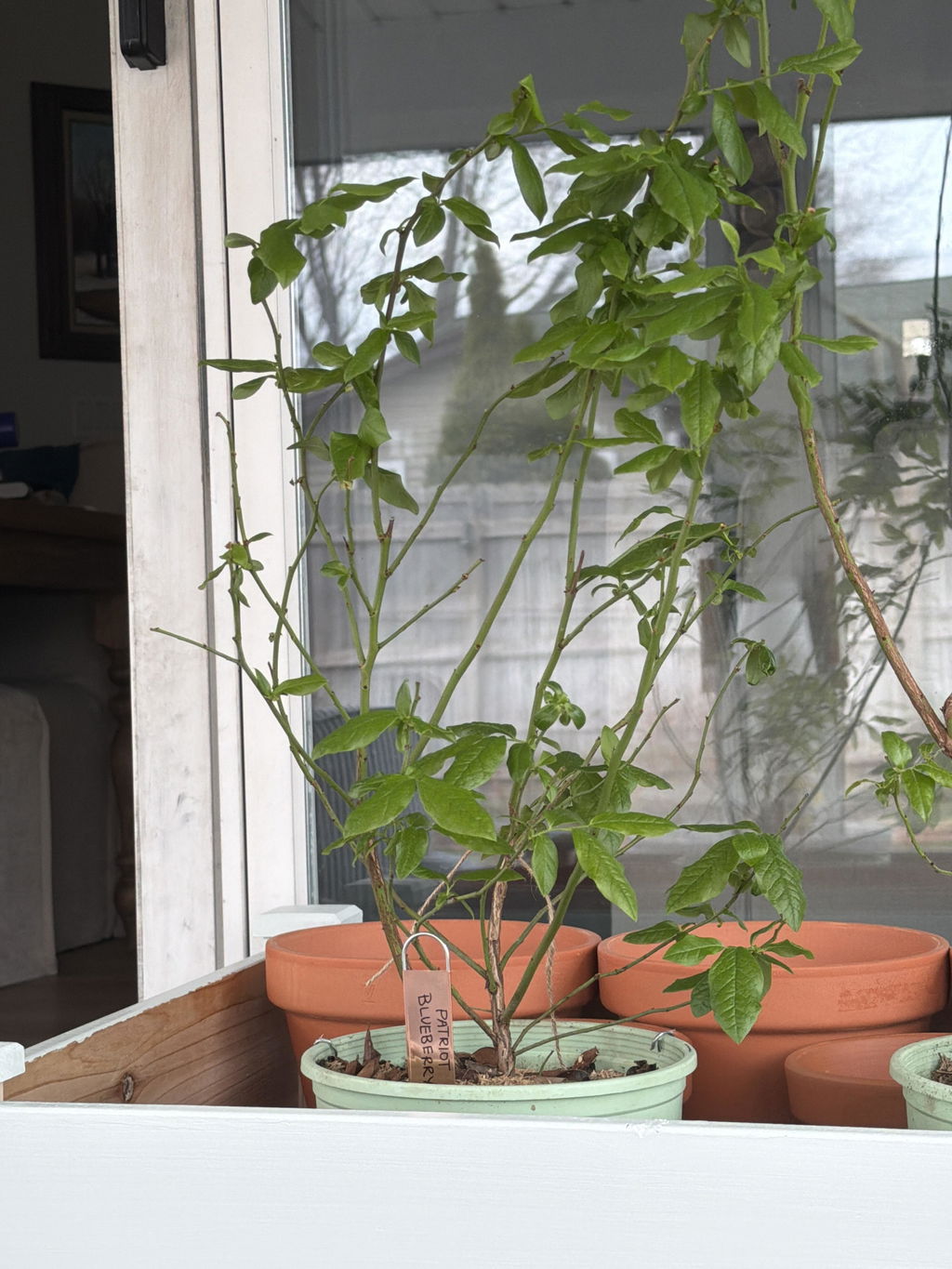
So far, so good. They are still little but started producing flowers for blueberries but I have been told to sacrifice the first year of fruit to allow the plant itself to get more robust so not feedback on the berries yet.
Pinching off those first-year flowers is exactly the right call, and it sounds like you already know that. Letting the plant put its energy into roots and structure now will pay off with a much stronger harvest down the road. We look forward to hearing how the Patriot performs for you once it hits its stride, Susan.
So far, so good. They are still little but started producing flowers for blueberries but I have been told to sacrifice the first year of fruit to allow the plant itself to get more robust so not feedback on the berries yet.
Pinching off those first-year flowers is exactly the right call. It feels a little painful in the moment, but letting the roots establish before the plant carries a crop makes a real difference in how well it produces down the road. Thanks for sharing where things stand, and we hope you get a great harvest to report next season.
nice bush
nice bush
Dear Francis,
Thank you so much for sharing your thoughts on your Patriot Blueberry Bush! We're delighted to hear you’re happy with it. Blueberry bushes like the Patriot are wonderful additions to any garden—not only do they offer gorgeous color and greenery, but they also provide delicious berries for you to enjoy throughout the season. If you ever have questions about the best care practices—whether it’s watering, pruning, or soil recommendations—please don’t hesitate to reach out. We’re always here to help your plants thrive.
Bloom on,
The Nature Hills Plant Knowledge Team
The patriot blueberry seems to produce consistently every year. Mine are fully grown now and they give lots of berries. I would highly recommend them.
Hi Jon,
Thank you so much for taking the time to share your positive experience with the Patriot Blueberry Bush! We’re thrilled to hear that your plant produces consistently every year and that you’re enjoying plenty of delicious berries. It’s wonderful when a plant lives up to its promise and becomes a fruitful part of your garden.
If you’re looking to keep your bush thriving, be sure to prune it annually in late winter to promote good air circulation and encourage vigorous new growth. Also, remember that blueberries prefer acidic soil (pH 4.5 to 5.5), so a routine check could help maintain optimal conditions. Mulching around the base can passively supply nutrients and retain soil moisture, which helps especially in drier months.
Should you have any questions or if you want advice about companion plants or harvesting tips, don't hesitate to reach out! Thanks again for recommending the Patriot Blueberry—your feedback rewards the whole Nature Hills community.
Rooting for your garden’s success,
Your Nature Hills Plant Care Team
The patriot blueberry seems to produce consistently every year. Mine are fully grown now and they give lots of berries. I would highly recommend them.
Hi Jon,
Thank you so much for sharing your wonderful experience with the Patriot Blueberry Bush! We’re delighted to hear that it produces plentiful berries consistently and that your plant is now fully grown and thriving. Blueberries are such rewarding plants to grow, and it’s always great to know when they’re meeting—and even exceeding—expectations.
If you ever want to maximize your harvest, consider a balanced fertilizer designed for acid-loving plants, and remember that they thrive with plenty of sunlight and well-drained soil. If you have any questions about care or other varieties, don’t hesitate to reach out—we’re always happy to help!
Bloom on,
The Nature Hills Plant Knowledge Team
Largest blueberry fruit I have ever grown.
Hi Health nut,
Thank you so much for taking the time to share your wonderful experience with the Patriot Blueberry Bush! We're thrilled to hear that it has produced the largest blueberry fruit you’ve ever grown—that’s such a fantastic compliment to this variety’s potential.
If you’re interested in maximizing fruit size and yield even further, remember that blueberries love well-drained, acidic soil and full sunlight. Regularly mulching with pine needles or bark can help maintain soil acidity and moisture. Also, consistent pruning in late winter encourages healthy growth and fruit production.
Feel free to reach out if you want tips on soil amendments or care routines to keep your blueberry bushes thriving year after year. We’re always here to support your gardening journey!
Bloom on,
The Nature Hills Plant Knowledge Team
Largest blueberry fruit I have ever grown.
Dear Health N.,
Thank you so much for sharing your wonderful experience with your Patriot Blueberry Bush! We’re thrilled to hear that you’ve grown the largest blueberries you’ve ever had—it’s always exciting to see such rewarding results from your gardening efforts.
If you’re interested in continuing to nurture those bountiful bushes, some additional tips such as ensuring consistent watering and adding a layer of mulch can help maintain moisture and protect roots, leading to even better fruit performance. Also, occasional soil tests can guide the perfect fertilization schedule to keep your blueberry plants thriving year after year.
We sincerely appreciate you taking the time to review your plant and encourage you to reach out whenever you need any personalized advice or growing tips.
Wishing you happy planting,
The Nature Hills Plant Experts
This is a very hardy bush that produces heavily. The fruit is a tad on the tart side.
Hi Lucasjessi,
Thank you so much for sharing your experience with the Patriot Blueberry Bush! We’re delighted to hear it’s thriving and producing abundantly in your garden. The tartness you mentioned is quite common with many blueberry varieties, especially those that are fully ripe and packed with flavor. Sometimes, slight variations in soil acidity and sunlight can influence the sweetness-tart balance of the fruit. To enhance sweetness, you might consider checking the soil pH to ensure it stays between 4.5 and 5.5, and placing the bush in a spot that gets plenty of full sun.
If you ever want tips on how to use or preserve your tart blueberries, we’re happy to share recipes and storage ideas too! We appreciate you taking the time to leave such thoughtful feedback.
Bloom on,
The Nature Hills Plant Knowledge Team
This is a very hardy bush that produces heavily. The fruit is a tad on the tart side.
Hello lucasjessi,
Thank you so much for sharing your experience with the Patriot Blueberry Bush! We’re delighted to hear that you’ve found it to be a hardy and prolific producer. The slightly tart flavor is quite characteristic of many blueberry varieties and is often a favorite for those who enjoy a refreshing tang. If you’d like to explore ways to balance or enhance the fruit’s flavor, we recommend trying a touch of sweetness from natural additives like a light drizzle of honey after harvesting. Additionally, planting companion crops or adjusting soil nutrients slightly can sometimes mellow the tartness over time.
If you have any questions about care tips or would like suggestions for complementing plants, please don’t hesitate to reach out—we’re here to help your garden thrive!
Bloom on,
The Nature Hills Plant Knowledge Team
good
Hello penhead11,
Thank you so much for sharing your feedback on your Patriot Blueberry Bush! We're delighted to hear it's meeting your expectations. If you ever have questions about care tips, harvest timing, or growing conditions to help your blueberry bush thrive even more, please don't hesitate to reach out. We also have great resources on planting and nurturing blueberries on our website that you might find helpful!
Wishing you happy planting,
The Nature Hills Plant Experts
good
Dear Penhead11,
Thank you so much for taking the time to share your feedback on your Patriot Blueberry Bush! We’re delighted to hear that you're pleased with it. If you ever have any questions about caring for your blueberry bush or want tips on helping it thrive—like the best watering practices or fertilizing schedules—we’re here to help!
Wishing you happy planting,
The Nature Hills Plant Experts
